As a PMMA exhaust gas treatment equipment supplier, I’ve spent years working on site installs across manufacturing facilities, from small scale PMMA sheet plants to large automotive component factories. Every project starts with more than just unpacking the unit—installing PMMA exhaust gas treatment systems requires precise, site-specific prep that directly impacts performance, compliance, and long-term reliability. I’ve seen installations that failed because a team rushed through foundation checks, leading to uneven equipment alignment, persistent leaks, or even safety hazards. That’s why I’m breaking down the non-negotiable requirements for a solid installation foundation, based on lessons learned from hundreds of on-site projects. PMMA Exhaust Gas Treatment Equipment
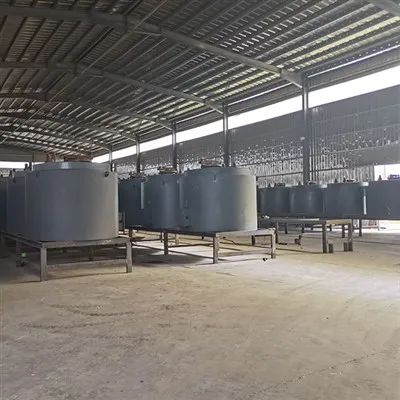
First, let’s ground this in what makes PMMA exhaust gas unique. PMMA (polymethyl methacrylate, commonly acrylic) production generates two key exhaust streams: volatile organic compounds (VOCs) like methyl methacrylate (MMA) monomer, and fine acrylic dust from cutting, polishing, or molding processes. These streams are corrosive, flammable, and abrasive—so the equipment (whether an RTO, thermal oxidizer, or packed bed scrubber) is heavy, often weighing 10–25 tons for mid-sized units, with specialized components that must stay aligned to operate efficiently. A flimsy or poorly prepared foundation doesn’t just risk the unit shifting; it can crack internal ducting, throw off heat exchanger alignment, or create gaps in scrubber packing that reduce treatment efficiency below regulatory thresholds.
The first core requirement is structural load assessment and design. Most facilities default to using existing concrete slabs, but that’s a mistake. I’ve walked into sites where a plant manager thought their 6-inch thick warehouse slab would suffice, only to have the equipment settle ¼ inch within the first month of operation—enough to throw the integrated fan assembly out of balance, causing loud vibrations that damaged adjacent piping and required a full equipment replacement. The first step is to engage a structural engineer to calculate the total static and dynamic load of the treatment unit, including auxiliary components like ductwork, fan motors, and water supplies for scrubbers. For mid to large PMMA exhaust systems, we almost always recommend a reinforced concrete foundation, not just a slab. The concrete needs a minimum compressive strength of 3000 psi (20.7 MPa), reinforced with #4 rebar spaced 12 inches on center both ways to distribute the heavy, uneven load. We also require a design that accounts for dynamic loads: the fan and blower assemblies generate vibrations that, over time, can crack slab edges or cause the unit to shift. For this reason, many installations include reinforced anchor bolts set 2–3 feet deep into the concrete, not just surface-level bolts that pull loose. A common adjustment we make for PMMA units, specifically, is extra load allowance for dust buildup inside the equipment—even though systems are designed to self-purge, occasional residual dust adds weight that must be accounted for in the foundation’s load rating.
Next, precise leveling and alignment tolerances. This isn’t just about making the unit look straight—it’s about the smooth flow of PMMA exhaust, which is critical because MMA can condense and polymerize if the exhaust path is uneven. If the foundation isn’t level within ±1/8 inch over the entire length of the unit, the internal flow distribution in a scrubber, for example, will be uneven: some areas will have too much liquid, leading to pooling and potential blockages, while other areas will have insufficient scrubbing agent, allowing un treated MMA to vent into the atmosphere. We always recommend installing temporary shims (steel, not wood—wood compresses over time) during initial setup, then retesting the level 24 hours after the concrete has cured if the foundation is custom poured, or after moving heavy equipment across the slab if using an existing structure. For systems with integrated heat exchangers (common in RTOs for PMMA exhaust), alignment must also account for thermal expansion: the unit will expand up to ½ inch when operating at its 1,800°F (982°C) temperature, so the foundation design must include expansion joints to prevent stress cracking. I once worked on a project where a plant skipped expansion joints, and within six months, the heat exchanger’s ductwork had cracked from thermal stress, leading to a 30% drop in treatment efficiency and a $120,000 repair bill. That’s an avoidable cost that comes down to foundation planning.
Third, compatibility with chemical and environmental conditions unique to PMMA exhaust. PMMA exhaust contains not just MMA, but also trace amounts of hydrochloric acid from polymerization catalysts and abrasive acrylic dust. These substances can degrade concrete over time if the foundation isn’t sealed properly, leading to pitting that weakens the structure and creates crevices where dust and corrosive fluids can accumulate, causing damage over years of operation. Our specifications require a chemically resistant coating—usually a two-part epoxy or polyurethane sealant applied to the entire top surface of the foundation, and extending 6 inches up the sides of the concrete, to resist spills from the equipment’s internal piping (which can leak MMA or scrubbing liquid) and the acidic byproducts of PMMA exhaust. We also require a minimum 2% slope on the foundation surface, directing any leaks or accumulated fluids to a designated drain. This is critical for PMMA sites, where MMA is highly flammable: pooling MMA on a concrete foundation poses a severe fire risk, and the slope plus drain prevents that. We’ve seen multiple facilities fail inspections because they lacked this slope, leading to un addressed leaks that triggered OSHA and EPA warnings.
Another often overlooked requirement is accessibility for maintenance. PMMA exhaust systems require regular cleaning: acrylic dust can clog ductwork and scrubber packing, so crews need access to all sides of the unit to inspect and service components. The foundation design must leave at least 3 feet of clearance on all sides, and at least 5 feet in front of access panels and fan assemblies. I’ve had clients try to save space by placing the unit flush against a wall, only to find that when the time came to clean the scrubber packing, they had to cut a section of wall out, costing thousands in downtime and repairs. For PMMA-specific needs, we also design the foundation to support rigging points that make it easier to lift heavy components (like the heat exchanger or fan motor) for replacement—something that’s often overlooked in generic foundation plans. If a foundation doesn’t have pre-planned rigging attachments, removing and replacing a 1,500-pound fan can take twice as long, leading to extended production shutdowns for the PMMA plant, which lose revenue every hour their exhaust system is offline.
Lastly, compliance with local industrial and environmental regulations. PMMA production is heavily regulated due to the toxicity and flammability of MMA, and local authorities often have specific requirements for foundation design for equipment handling hazardous exhaust streams. For example, in many regions, foundations for exhaust systems that process flammable gases must be grounded to prevent static electricity buildup, which can ignite MMA vapors. We always coordinate with the client’s environmental health and safety (EHS) team and local building inspectors to ensure the foundation meets all code requirements, including fire resistance ratings. I remember a project in Ohio where the local fire marshal required a 1-foot concrete curb around the entire foundation to contain any spills of MMA, which wasn’t in the initial plan. We adjusted the foundation design quickly, but that delay could have been avoided with early coordination. Rushing to install without checking regulatory requirements leads to failed inspections, costly rework, and even temporary shutdowns for PMMA production.
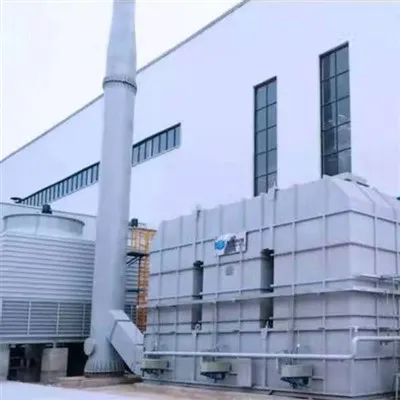
Over the years, I’ve seen too many installations where the foundation was an afterthought, leading to preventable problems that hurt both our clients’ operations and our reputation as a reliable equipment supplier. The foundation isn’t just a base for the equipment—it’s the backbone of the entire treatment system. A properly designed and installed foundation ensures the PMMA exhaust system operates at peak efficiency, meets environmental standards, and has a long service life. If you’re planning to install a PMMA exhaust gas treatment system and want to avoid the headaches of a poorly prepared foundation, reach out to our team to discuss site-specific requirements and ensure your project runs smoothly.
Distillation Column References:
- American Industrial Hygiene Association (AIHA). Industrial Ventilation: A Manual of Recommended Practice, 30th Edition. AIHA Press, 2022.
- Occupational Safety and Health Administration (OSHA). Process Safety Management of Highly Hazardous Chemicals, 29 CFR Part 1910.119. U.S. Department of Labor, 2023.
- National Fire Protection Association (NFPA). Standard for the Installation of Stationary Sources of Air Pollution Control Systems, NFPA 86, 2021 Edition. NFPA, 2021.
- Plastics Industry Association (PIA). PMMA Manufacturing Emission Control Best Practices. PIA Technical Report, 2022.
Wuxi Quansheng Industrial Equipment Co., Ltd.
As one of the most professional PMMA exhaust gas treatment equipment manufacturers and suppliers in China, we have world-leading production equipment and strong manufacturing capabilities. Welcome to buy high quality PMMA exhaust gas treatment equipment for sale here from our factory. For price consultation, contact us.
Address: No.10, Fulaiqiao Road, Hudai Town, Binhu District, Wuxi City, Jiangsu Province, China
E-mail: 397293586@qq.com
WebSite: https://www.pmmatech.com/
