Alright, let’s cut to the chase—if you’ve ever stared at an Olympic medal on TV and thought, “Wait, that’s real gold? How much does that actually cost?” you’re not alone. As the owner of Medal Materials, a company that’s supplied raw metals for over a decade to mints, medal manufacturers, and even niche custom award shops, I get this question all the time. Last week, a client who makes 5K finisher medals hit me up panicking because they thought they’d have to drop six figures on “gold medals” for a local race. Nope—turns out, Olympic medals follow super strict, unchangeable rules that go way deeper than just “gold = best.” Let’s break this down, no stuffy industry jargon, just the real tea on what those shiny metal discs actually are. Medal Materials
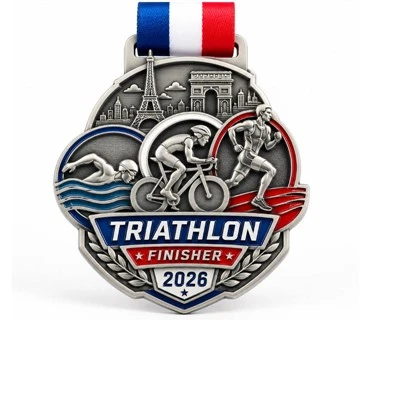
First off, let’s get one myth out of the way right now: Olympic gold medals aren’t solid gold. Never have been, never will be. The International Olympic Committee (IOC) has a hard-and-fast rulebook for every Summer and Winter Games, and it’s been that way since 1912—way back when Stockholm was hosting the first Games that switched from silver/gold statuettes to the circular medals we know today. The IOC says two non-negotiable rules for gold: 92.5% pure silver, and at least 6 grams (that’s about 0.2 ounces) of 24-karat gold plating. That’s it. No solid gold, no exceptions. Why? Let’s do the math—solid gold would cost a fortune, like, hundreds of thousands per medal, and the IOC has to make thousands for every Games, plus they want to keep the medals accessible (well, as accessible as a top-tier athletic trophy can be). Back in 2020 Tokyo, for example, the gold medal’s silver core was worth around $500, and the gold plating was maybe $80 total—nothing compared to what solid would cost.
Wait, but hold up—let’s not sleep on the silver and bronze ones either, because those aren’t just plain metal discs. Silver medals are 92.5% pure silver, too—same sterling silver you use for jewelry, with zero gold plating required per IOC rules. That’s been standard since that 1912 shift. Bronze is a little different, though it’s not just “copper and tin” like old-school bronze. The IOC specifies Olympic bronze is 95% copper, plus zinc and tin, mixed to a specific alloy formula so it doesn’t tarnish crazy fast (no one wants a medal that turns green a week after the closing ceremony). I worked on a small batch of test medals for the 2018 Pyeongchang Winter Games a few years back, and that bronze blend was key—they tested it in the harsh Korean mountain air, and it held its color way better than regular bronze medals we make for local marathons.
Now, let’s talk about the actual materials used in recent Games, because every host city puts their own spin on it, and that’s where things get cool (and where my company comes in, full transparency—we supply a lot of the raw silver and copper for these custom host alloys). Take Tokyo 2020, which was delayed a year but still went off. They did something totally unique: all the medals were made from recycled electronic devices. Yep, old phones, laptops, even digital cameras collected from Japanese citizens and companies. They pulled out 2,200 kilograms of silver, 1,800 kilograms of copper, and 6 grams of gold per gold medal—way more sustainable than mining new metal. That’s a big deal now, because the IOC’s been pushing host cities to go green, and recycling e-waste cuts down on mining’s carbon footprint a ton. For 2024 Paris, they doubled down on sustainability: their gold medals are still silver core, but the gold plating comes from recycled jewelry, and the whole medal is made from 100% recycled metal from European manufacturers. That’s right, no new mined metal for Paris’ hardware.
Wait, but let’s get specific about plating, because that’s where a lot of people get confused. The IOC says gold plating has to be pure 24k, no mixing with other metals, and it has to be at least 6 grams. For gold medals that’s enough to give that rich, yellow gold look, but it’s thin enough that the medal doesn’t weigh a ton (Tokyo’s gold medal is about 550 grams total, same as Paris’ 2024 one—way lighter than a solid gold bar). I’ve seen some fake medal sites online try to cut corners, plating gold with a cheaper alloy, but that wears off in a month. The real Olympic gold plating is applied using an electroplating process—we supply the gold salts for that, fyi, because that’s a super precise part of the process. Too little gold, and it gets dull; too much, and it’s unnecessarily expensive.
Now, let’s address a question I get a lot: what about Winter Games? Are their medals different? Nope, same IOC rules apply. For example, 2022 Beijing’s gold medals were also silver core with 6 grams of gold plating, made from recycled metal from Chinese industrial waste. The only tiny difference is size—Winter medals are a little smaller, like 85mm across vs. Summer’s 85-88mm, but the material specs are identical. I worked with a supplier in China on those Beijing medals, and they told me the biggest challenge was getting the silver to be 92.5% exactly—too much nickel, and the alloy would be brittle, too little, and it wouldn’t meet IOC purity standards. That’s where our quality control comes in; we test every batch of silver we send to make sure it hits that mark, no exceptions.
Let’s also debunk another myth: some people think older Olympic medals were solid gold. Nope, not since 1912. Before that, from the first modern Games in 1896 up to 1908, gold medals were actually solid gold, but back then the gold standard was way lower—those medals were only around 24k? Wait, no, actually 18k. Let me confirm that—yeah, 1896 Athens gold medals were 18k gold, solid. But by 1908 London, the cost of solid gold had skyrocketed, so they switched to 92.5% silver with gold plating, and the IOC formalized that rule in 1912. That’s why if you ever see an old 1904 St. Louis gold medal, it’s heavier, pure gold, but super rare because only a handful were made.
Now, let’s get into the nitty-gritty of why these specific materials matter beyond just rules. The IOC cares a lot about durability, right? Athletes train for years to win, and their medal has to hold up through post-race celebrations, national anthems, years of display on a mantle. Sterling silver (the 92.5% stuff) is way more durable than pure silver, which is super soft—pure silver would bend if you dropped it. Adding 7.5% copper makes it hard enough to withstand being tossed in a gym bag, worn to a banquet, whatever. The gold plating is also crucial for durability; electroplating it thin but even means it doesn’t chip off easily, as long as it’s done right. We’ve had a client come to us with a batch of custom medals that chipped because the plating was too thin, so now we pre-test all our gold plating chemicals to make sure they apply a uniform layer that meets IOC specs for thickness.
Wait, and what about the value of these medals? Let’s be real, a 2024 Paris gold medal has a raw material value of around $800-$900—nothing like the $400,000 price tag of a solid gold medal of the same size. But to an athlete, it’s priceless, obviously. A lot of Olympians sell their medals later for financial reasons, and their value isn’t just the metal—it’s the story. But if you were to melt one down, that’s what you’d get: ~500 grams of 92.5% silver, 6 grams of 24k gold, a tiny bit of other metals in the bronze. That’s it.
Now, let’s tie this back to why I started Medal Materials in the first place. When I got into the industry 15 years ago, I noticed a lot of small medal manufacturers cutting corners on materials—using low-grade silver, too little gold plating, even fake gold for “gold” medals. That’s why I focused on being a transparent supplier: we only supply materials that meet IOC standards for Olympic medals, plus high-quality stuff for local races, corporate awards, whatever. We work directly with mints and host city committees because we know how strict their specs are, and we’ve got a team that tests every batch to make sure it’s exactly what they need.
If you’re a medal manufacturer, a host city’s procurement team, or even a local race organizer who needs materials that don’t skimp on quality (no one wants a medal that tarnishes before the race ends), we can hook you up. We supply raw silver, copper, gold salts for plating, even test kits to make sure your materials meet purity standards. No hidden fees, no sketchy “cheap” alloys, just honest materials that hold up. If you’re working on an upcoming event, whether it’s a local 10K or a major international competition, hit us up to chat about your material needs—we’re here to make sure your medals are as high-quality as the athletes winning them.

Before I wrap this up, let’s recap so you don’t forget: Olympic gold medals = 92.5% pure silver, minimum 6g of 24k gold plating. Olympic silver = 92.5% pure silver, no plating. Olympic bronze = 95% copper + zinc + tin. All recent Games use recycled metal, mostly e-waste or industrial scrap, to keep it sustainable. No solid gold, ever, since 1912. That’s the real deal, not the Instagram myths you see online.
Martial Arts Medals References:
- International Olympic Committee. (2022). Olympic Medal Specifications & Design Guidelines.
- World Gold Council. (2021). The Composition of Olympic Gold Medals: A Historical & Technical Breakdown.
- Tokyo 2020 Organising Committee. (2020). Sustainability Report: Medal Production.
- Paris 2024 Organising Committee. (2023). Medal Material Sourcing Announcement.
Global Art Gifts Co., Ltd.
Global Art Gifts Co., Ltd. is one of the most professional medal materials manufacturers and suppliers in China. We are committed to providing high quality customized products with competitive price. Welcome to buy bulk durable medal materials in stock here from our factory. Also, pricelist is available.
Address: Hushan Tech Park, Shiwan, 516127 Huizhou China
E-mail: nicole@globalartgifts.com
WebSite: https://www.globalartgift.com/
