If you’ve ever walked into a room that felt instantly uplifting, or one that made you sigh and want to leave right away, chances are the arrangement of its furniture and other facilities played a huge part. As a supplier of Other Furniture Facilities, I’ve spent years watching clients transform dull, static spaces into dynamic, mood-altering environments simply by shifting pieces around, adding subtle fixtures, and rethinking how people move through a room. It’s not just about moving a sofa an inch to the left—it’s about understanding how spatial design shapes our emotions, and how small, intentional changes in the layout of everyday facilities can turn a room from a place of tension to calm, or from sterile to inviting. Other Furniture Facilities

Let’s start with the science behind why furniture arrangement affects mood. Studies from environmental psychology have shown that humans react to space as an extension of their emotional state. When a room feels cluttered or disorganized, our brains register it as a threat to our sense of control, triggering mild stress responses—increased heart rate, narrowed attention, even feelings of overwhelm. On the flip side, a room that feels balanced, with clear pathways and intentional groupings, gives us a sense of safety and comfort. For example, open layouts that encourage conversation boost feelings of connection, while defined, cozy nooks support relaxation and focus. The key here is that furniture and facilities aren’t just functional—they’re tools to manipulate those psychological responses, and as a supplier of Other Furniture Facilities, I’ve seen firsthand how the right pieces (and their placement) can make that happen.
Take the living room, one of the most commonly rearranged spaces in a home. Most people default to placing their largest sofa against the longest wall, facing the TV—this feels safe, but it often creates a dead space in the middle of the room that no one uses, and it can make conversation feel stiff, like everyone is watching a screen instead of each other. If your goal is to shift the mood from “cozy movie night” to “inviting gathering space,” try moving the sofa to face a focal point that encourages interaction—like a pair of armchairs arranged at a 90-degree angle to the sofa, with a small side table between each for drinks or books. This arrangement, called a “conversation pit,” signals that the space is for connection, not just screen time. As an Other Furniture Facilities supplier, I often recommend adding flexible pieces here—like modular ottomans that can be moved easily if you want to shift back to a movie-focused setup, or floating bookshelves that act as a visual divider without closing off the room, adding warmth while keeping pathways clear.
Pathways are another often-overlooked factor in mood. A room with narrow, blocked pathways makes people feel trapped, which raises stress levels. Imagine a small bedroom where a wardrobe and a dresser sit on either side of the door, leaving only 24 inches of space to walk through—you have to sidestep clothes and accessories every time you enter, which creates a subtle feeling of being cramped. Rearranging facilities to create a 30-inch-wide minimum pathway (the recommended standard for comfortable movement) immediately makes the space feel larger and less tense. In a bedroom, that might mean sliding your dresser to the wall opposite the bed, or using a low-profile clothing rack instead of a bulky armoire if you need extra storage. For home offices, clear pathways between your desk and storage units mean you won’t have to reach over clutter every time you grab a folder, reducing daily frustration and keeping focus high.
If you want to create a calm, restorative mood in a space—say, a home office or a small reading nook—try using “furniture zoning” to carve out private areas within open rooms. Zoning works by grouping furniture and facilities to create a distinct function, and it sends a psychological signal that this space is for a specific purpose. For a home office that’s part of a living room, instead of plopping a desk in the corner, use a bookshelf or a tall room divider (another Other Furniture Facilities staple) to separate the work area from the rest of the living space. Add a small ergonomic chair instead of a dining chair, and place a floor lamp behind the desk to create a pool of light—this makes the work area feel intentional, not an afterthought, and tells your brain it’s time to focus, not relax. For a bedroom, zoning can mean placing a small nightstand with a reading lamp on one side of the bed, and a compact dresser on the other, leaving space for a yoga mat at the foot—this shifts the mood from just a place to sleep to a space that supports rest, movement, and winding down.
Lighting, which is closely tied to furniture arrangement, plays a huge role in mood, and many people don’t realize that placing furniture around light fixtures can either enhance or dull their effect. A overhead ceiling light can feel harsh and sterile if a large sofa is placed directly under it, casting everyone in shadow. Instead, arrange seating areas so that each spot has access to a table lamp or floor lamp—soft, warm light is linked to feelings of comfort, while cool overhead light can trigger alertness, which isn’t ideal for a living room or bedroom. As an Other Furniture Facilities supplier, I often work with clients to recommend adjustable lighting pieces that fit into existing arrangements, like arc floor lamps that can be positioned over a seating group without blocking pathways, or string lights that can be draped around a bookshelf to add ambient light to a corner. A small change here—moving a sofa away from a harsh ceiling light, and adding a couple of table lamps—can turn a cold, unwelcoming room into a cozy retreat in just a few minutes.
What about high-traffic areas, like a hallway or an entryway? These spaces set the tone for the entire home, so rearranging facilities here can shift the mood before anyone even steps into a main room. A cluttered entryway with shoes piled by the door and a coat rack that blocks the mirror can make a home feel chaotic right away. Instead, use vertical storage—wall-mounted shoe racks, hanging coat hooks, and a narrow console table—to free up floor space. Place a small bench by the door instead of a bulky storage chest, so there’s a clear path to walk through, and add a potted plant on the console table to bring a touch of nature. This small change makes the entryway feel organized and inviting, which sets a calm tone for the rest of the space. For an office entryway, a sleek, modern console and a pair of guest chairs create a professional, approachable mood, while a small area rug under the chairs adds warmth.
It’s also important to remember that mood shifts don’t have to be permanent. Many people worry that rearranging furniture means moving heavy pieces every time they want a change, but as an Other Furniture Facilities supplier, I’ve seen how modular, portable pieces make it easy to adjust a room’s mood on a whim. Modular sofas that can be split into separate chairs, rolling storage carts that can be moved from the kitchen to the living room, and stackable stools that work for extra guests or extra seating—these pieces let you reconfigure a space in hours, not days. For example, if you’re hosting a dinner party, you can pull extra stools around the dining table; after the party, you can tuck them under a console in the living room, opening up space for a movie night. This flexibility means you can adapt a room’s mood to different activities, without the stress of major renovations.
Another key point: consider the emotional function of each space before you rearrange. A playroom, for example, should feel energetic and open, so arrange storage bins along the walls with clear pathways for kids to run and play. Instead of placing a large table in the center, move it to the side, leaving floor space for games or art projects. This arrangement encourages creativity and movement, while still keeping toys organized. On the other hand, a home library should feel calm and focused, so group armchairs around small side tables, place bookshelves along the walls, and keep pathways wide enough to move between shelves. The furniture arrangement here signals that the space is for quiet reading and reflection, not noisy activity.
I’ve seen clients come to me with spaces that felt “wrong” for years, just because they stuck to the original arrangement when they moved in. One recent example: a client who had a large, open living room that always felt cold and uncomfortable, even with new furniture. We realized they had placed their sectional sofa along the entire back wall, which made the room feel long and narrow, and blocked the natural light from a large window. We suggested moving the sectional to a shorter wall, leaving space for a small coffee table in the center, and adding a floating bookshelf along the back wall to bring in warmth. We also added two armchairs facing each other, across from the sofa, creating a balance that encouraged conversation. Within a week, the client said the room felt “like a hug”—warmer, more inviting, and less sterile. That change didn’t involve new furniture, just rearranging the pieces they already had, plus a couple of accessories I recommended as part of my work as an Other Furniture Facilities supplier.
Of course, there are a few common mistakes to avoid when rearranging to change mood. First, don’t overcrowd a small room—even the most beautiful furniture will make a space feel stressful if there’s too much of it. If you have a small bedroom, for example, skip the bulky dresser and opt for a floating shelf for folded clothes, or use a wardrobe that fits in the corner, not against the entire wall. Second, don’t ignore symmetry unless you’re going for an intentionally eclectic, chaotic mood. A balanced arrangement—matching lamps on nightstands, equal space on either side of a sofa—feels calming, while lopsided groupings can feel off. Third, test the arrangement before you commit: move pieces around with masking tape on the floor to mark pathways and furniture positions, and spend a day in the space to see how it feels. You might find that a spot you thought would be perfect for a reading nook actually gets too much sunlight, or that a pathway you thought was narrow is actually wide enough.
At the end of the day, rearranging other furniture facilities to change a room’s mood isn’t just about interior design—it’s about creating a space that works for how you feel, and how you want to live. Whether you want a space to feel more energetic for work, more calm for rest, or more connected for gatherings, small, intentional shifts in placement can make a huge difference. As a supplier, I’m here to help—whether you’re looking for portable, modular pieces to make rearranging easy, or tips on how to rework your existing space to match your emotional needs.
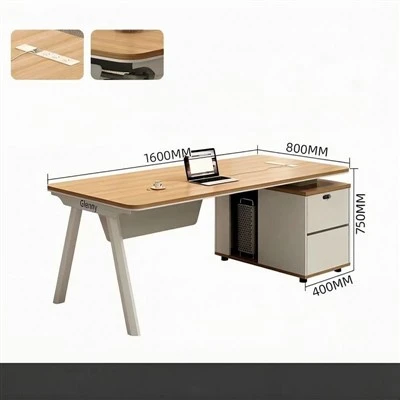
If you’re ready to transform a room’s mood, or have questions about the right other furniture facilities to support your layout, don’t hesitate to reach out to discuss your needs and find the perfect solutions for your space.
Cabinet References
- Environmental Design Research Association. (2021). Effects of Spatial Arrangement on Emotional Wellbeing in Residential Spaces. Journal of Environmental Psychology.
- Gifford, R. (2014). Environmental Psychology: Principles and Practice. Optimal Books.
- American Institute of Architects. (2022). Residential Space Planning Standards for Comfort and Function. AIA Design Guidelines.
- University of California, Davis. (2020). The Role of Lighting and Furniture Placement in Mood Regulation. Interior Design Journal.
- National Association of Home Builders. (2021). Accessible Pathway Guidelines for Residential Spaces. NAHB Research Report.
Anhui Lilan Furniture Co., Ltd.
As one of the most professional furniture facilities manufacturers and suppliers in China, we have world-leading production equipment and strong manufacturing capabilities. Please feel free to wholesale high quality furniture facilities made in China here from our factory. Customized orders are welcome.
Address: East of Xianghe Road, Feidong New District, Hefei City, Anhui Province
E-mail: 13739262376@139.com
WebSite: https://www.lilanjj.com/
