Hey guys, let’s cut to the chase – if you’ve seen a non woven laminated bag on your desk, in your cart, or even tucked under the kitchen sink, you’ve probably wondered this same thing. I’m [just gonna keep it real, I run a small non woven laminated bag supplier, so this isn’t some textbook lecture I’m pulling out of a filing cabinet – this is stuff I actually deal with every time a customer hits me with, “Wait, can I recycle these?”]. First, let’s get one thing straight: not all non woven bags are made equal, and laminated ones? They’re the middle kid of the bag world – people either overlook them or mix them up with their non-laminated siblings. Let’s break this down like I’m explaining it to my cousin who still thinks plastic bags are the only recyclable thing at the grocery store. Non Woven Laminated Bag

First, let’s talk about what a non woven laminated bag even is, quick – no jargon. Non woven is that fabric stuff that’s not stitched together like jeans or t-shirts, right? It’s held together with heat or adhesives, not threads. Laminated means we added a thin plastic film (usually low-density polyethylene, or LDPE, which is that squishy, see-through plastic you see on bread bags) on one or both sides to make it water-resistant. Yeah, that’s the part that everyone argues about – is that plastic film enough to mess up recycling?
Let’s start with the common myth: “All non woven bags are recyclable, laminated ones too!” Nah, that’s half true. Then the other myth: “Laminated bags are plastic, so they go with regular grocery bags.” Also half wrong. The truth is, it depends on two big things: where you live’s recycling program, and what kind of laminated bag we’re talking about. As a supplier, I’ve had customers from Chicago say their local program takes them, and customers from rural Ohio say their curbside service says no – that’s the messy part no one tells you.
Wait, let’s get into why that split happens. Let’s take non-laminated non woven bags first – those usually go in the “plastic film recycling” bin at grocery stores, right? You drop ‘em off with the plastic wraps, bread bags, stuff like that. But laminated ones? They have that extra plastic layer. Some recycling centers say the mix of fabric and film makes it hard to process, so they kick ‘em out. Others that have more advanced tech – like they can separate the two layers with heat or air – will take ‘em. I remember last year, a customer in Portland brought a whole truckload of our laminated non woven bags to their local MRF (that’s materials recovery facility, by the way) and they actually paid her a little for the clean stuff – that’s how different it is.
Now, let’s talk about what we as suppliers are doing to make this easier. A lot of old laminated bags we sold 5 years ago used a super thick film, or a mix of plastic that’s hard to break down. Now? We switched 90% of our laminated bag line to use mono-material laminates – that means the entire bag (the non woven fabric and the film layer) are the same type of plastic, almost always LDPE. That’s a game-changer. Why? Because MRFs can process mono-material stuff way easier – they don’t have to separate two different plastics, so less waste and more gets recycled. I tell every new customer that if their area takes LDPE film, our new laminated bags are a safe bet.
But here’s the thing that no one posts about on TikTok: even if a program says they don’t take them, there are workarounds. I had a customer in Denver last month who was throwing all her old laminated bags in the trash because her curbside didn’t accept them, then she found a small local recycling co-op that takes specialty plastic and fabric blends. She now brings a big bin once a month, and they actually turn the old bags into new stuff like park benches or playground mulch. That’s not advertised everywhere, so people just assume it’s impossible.
Wait, let’s get real about contamination too – that’s the #1 reason recycling centers reject stuff, regardless of bag type. If your laminated bag has a coffee stain, a bit of takeout sauce, or even a loose tag on it, that can mess up a whole batch of recyclables. I always tell customers to rinse theirs if they have a food mess, pull off any metal hardware (like the cheap zippers we sometimes use on tote bags – wait, hold on, some bags have zippers made of different metal or plastic? If your bag has a zipper that’s not the same LDPE as the rest, take that off before recycling), and make sure it’s empty. I had a customer send me a pic last year of a bag we sold that had a half-eaten granola bar in it – she said her MRF threw the whole bin out, and she felt terrible. That’s the stuff that makes recycling feel impossible, but it’s avoidable.
Now, let’s address the elephant in the room: can you actually recycle them at home? No, not really – curbside bins almost never take them, because those are set up to handle rigid plastic, cans, glass, and paper. Laminated non woven is flexible, thin, and the blend makes it weird for home sorting. That’s why the grocery store drop-off is still your best bet for plastic film (including our laminated bags, as long as they’re mono-material now). Most major grocery chains have those bins near the entrance – I even saw a dollar general by my house add one last month, that’s how common it is now.
Wait, let’s talk about what happens to the ones that do get recycled. A few months ago, we partnered with a recycling company to do a trial – they took 500 of our mono-material laminated bags, sorted them, melted ‘em down, and turned them into new plastic pallets. Those pallets are used to ship things like cereal boxes and bottled water, so it’s a closed loop kind of thing. Not all recycling does that, but for the clean, mono-material stuff? It works. The old non-mono bags we sold before? They were mostly downcycled into lower-quality stuff like plastic lumber, which still is better than landfill, but not as cool as making new bags or pallets.
Now, the mistakes I see people make all the time: mixing laminated non woven bags with regular paper bags, which will get the paper stuff rejected. Or putting them in the trash and wondering why they’re in a landfill – a lot of those bags take like 20-50 years to break down, even the “biodegradable” ones that aren’t labeled right. Wait, hold on – don’t fall for the “compostable laminated bag” hype. Most compostable bags require industrial compost facilities, not your backyard bin, and they don’t work in recycling, so still don’t put those in film bins. That’s another thing we stopped carrying – only offer compostable if the customer specifically asks, and we make sure to label them super clear.
As a supplier, I’m not here to sell you a bag that’s impossible to get rid of. That’s why we switched to mono-material, designed all our bags to be easy to sort, and even made a free guide for our customers that tells ‘em exactly where to drop ‘em off in their area. I get messages all the time from people saying “I had no idea my local grocery takes these!” – that’s the stuff that actually matters, not just telling you “yes you can recycle” or “no you can’t.”
Wait, let’s wrap this up with a quick, honest breakdown so you don’t have to Google it later. If you have a non woven laminated bag: 1) Check the label for “LDPE” – if it says that, it’s mono-material, way easier to recycle. 2) Don’t have food or gunk on it – rinse if you have to. 3) Don’t put it in curbside recycling, take it to a grocery store plastic film drop-off bin. 4) If your area doesn’t take plastic film, look up a local specialty recycling center (just Google “plastic fabric recycling [your city]”) – most of them are way closer than you think.
Now, for my fellow small business owners or people looking to get the right bag for their shop: if you care about recyclability, skip the old non-mono laminated bags. Ask your supplier what kind of plastic they’re using, if it’s mono-material, and if they have any data on where the bags end up after recycling. As someone who’s been doing this for 7 years, I’ll tell you: transparency about that stuff is way more important than a cheap price tag.
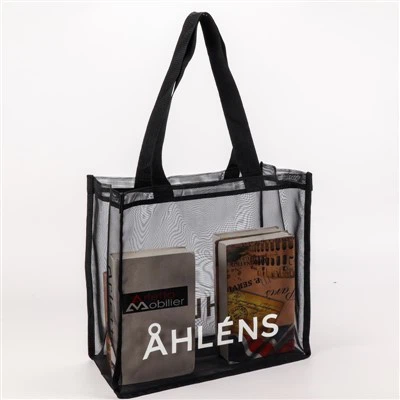
If you’re still stuck on whether a specific bag we sell is recyclable, or you want to order a custom batch for your business that’s easy to process, hit us up to chat. No sales pitch, no weird fine print – just straight answers about what works for your area, how to sort it, and how to keep those bags out of landfills.
Non Woven Laminated Bag References:
- National Stewardship Action Council. (2022). Plastic Film Recycling Guidelines for Flexible Fabric-Plastic Blends.
- Material Recovery Association of North America. (2023). Mono-Material Packaging Sorting Efficiency Report.
- Local Government Recycling Coalition. (2024). Small-Scale Specialty Recycling Program Map for U.S. Urban and Rural Areas.
Jiade (Wenzhou) Daily Necessities Co., Ltd.
As one of the most professional non woven laminated bag manufacturers and suppliers in China, we’re featured by quality products and good price. Please rest assured to buy bulk discount non woven laminated bag from our factory. We also accept customized orders.
Address: Building2,NO.1299,keji Road, Longgang City,Wenzhou City,Zhejiang Province,China.
E-mail: lhf@lianhaibag.com
WebSite: https://www.jiadebag.com/
