If you’ve ever stared at a stack of puffer coats, chunky sweaters, or heavy linen sets tucked in a dusty basement bin, wondering if they’ll make it through the next season without yellowing, mildewing, or getting chewed by pests, you’re not alone. For years, out-of-season clothes storage has been a guessing game: plastic bins crack, fabric bags sag and trap moisture, and cardboard boxes from the grocery store or post office? They leave half your winter wardrobe smelling like cardboard by spring. As a clothing box supplier who’s spent the last 8 years designing storage solutions for people sick of throwing out damaged clothes, I get all the questions about whether a clothing box is actually up for the job. The short answer? Yes—if it’s the right type of clothing box, and if you use it correctly. Clothing Box

Let’s start with why out-of-season clothes go bad in the first place. The biggest enemies aren’t time—they’re moisture, pests, dust, sunlight, and poor air circulation. I’ve seen customers come to me with jackets that have mildew spots on the cuffs, cashmere sweaters with tiny holes from moths, and silk blouses that turned yellow because they were tucked into a damp garage bin. All of that is avoidable, and that’s exactly what our clothing boxes are engineered to address. But not every storage box is the same. A plastic storage bin from a hardware store isn’t a clothing box, and a cardboard moving box with packing tape isn’t either. There are key features that make a clothing box designed for out-of-season clothes different from other storage solutions, and I’ve tested every one of these over thousands of customer orders to confirm they work.
First, moisture control is non-negotiable. Out-of-season clothes are often stored in areas that aren’t temperature-controlled: basements, attics, extra closets, even garages. Basements can have 60% or higher humidity in the summer, while attics can swing from 30% humidity in winter to 70% in summer—levels that make mold and mildew grow fast. Our clothing boxes have a 0.3-micron breathable barrier lining inside. That sounds technical, but what it means is this: air can flow through the lining, so moisture from the air inside the box doesn’t get trapped, but dust, tiny pests, and even mold spores can’t get in. I’ve had customers test this by storing white cotton t-shirts in our boxes for 12 months next to the same t-shirts in plastic bins. The ones in plastic had tiny mold spots on the hems; the ones in our clothing boxes were exactly the same as when they went in. That’s the science of the breathable barrier at work, and it’s something generic storage boxes don’t have.
Next, pest protection. Moths, carpet beetles, and even silverfish love to feast on natural fibers—cashmere, wool, cotton, silk—all things we tuck away for seasons we don’t need them. A lot of people use cedar sachets or moth balls, but those have their own problems: cedar can leave a lingering scent that sticks to clothes, especially silk, and moth balls are toxic if you have kids or pets. Our clothing boxes have integrated pest-repellent lining that’s been tested to repel moths and beetles for up to 5 years without any added chemicals or scents. I once had a customer tell me she’d been using moth balls in her storage boxes for years, and her wool coats still had holes. After switching to our clothing boxes, she put away 7 wool sweaters 3 years ago, and they’re still in perfect condition. That’s not luck—that’s testing: we’ve sent our box contents to independent textile labs, and they confirmed that pest activity is 98% lower when clothes are stored in our boxes versus cardboard or plastic bins without pest protection.
Dust and sunlight damage are two more things people don’t think about. Sunlight can fade even dark fabrics over months—linen gets brittle, silk yellows, and even synthetic fabrics lose their color when exposed to UV rays. Our clothing boxes have an opaque, heavy-duty outer layer that blocks 99% of UV light, so stored clothes don’t fade. And dust? If you’ve ever pulled a summer dress out of storage and had to wash it three times to get the dust off, you know how big of a hassle that is. The outer layer of our clothing boxes is tear-resistant and dust-proof, so you don’t have to wipe clothes down before wearing them when you pull them out. I always tell customers that the best storage is one that doesn’t add more work when you need to use the clothes again.
But here’s the thing: a clothing box won’t work if you put clothes in it wrong. I see customers make the same mistakes all the time, and it’s why some people swear storage boxes ruin their clothes. The biggest mistake is folding clothes incorrectly or leaving them dirty when you tuck them away. Stains, even the ones you think are gone, will set in over time, so always wash and dry clothes completely before storing them—even if they’re “just going to be out of season.” Another mistake is overstuffing the box. If you cram so many sweaters into a box that they’re stretched or bent, the fabric will hold creases that don’t come out when you wear them, and the pressure can even break down fibers over time. We design our clothing boxes to fit standard sizes, with space for hanging items too—wait, did I mention we have hanging clothing boxes for coats and dresses? They’re the same breathable, pest-resistant design, just with a built-in hanger bar, so you don’t have to fold your favorite winter coat and risk creases.
I also get asked if a clothing box is better than fabric storage bags, which are popular right now. Fabric bags are lightweight and cheap, but most of them aren’t breathable enough for long-term storage. A lot of fabric bags use thin material that lets moisture in, and they sag so much that clothes get crushed. I had a customer last year who stored 10 cashmere sweaters in fabric bags under her bed, and half of them had moths because the fabric bags didn’t keep pests out. Our clothing boxes are rigid, so they don’t sag, and the breathable lining is tailored to prevent moisture buildup without letting pests in. The only time I recommend a fabric bag is if you’re moving clothes across the country temporarily, not storing them for a season or longer.
Another common question: what about plastic bins? Plastic is durable, but it traps moisture, even if it looks airtight. I’ve tested this myself: I left a damp towel in a plastic bin for 3 months, and it grew mold. The same thing happens to clothes. Even if you dry clothes completely before putting them in a plastic bin, any tiny bit of moisture that gets trapped (from the air when you seal the bin, or from the fabric itself) can’t escape, leading to mold. Our clothing boxes let that tiny bit of moisture evaporate, so it never builds up. And unlike cheap plastic bins, our clothing boxes are recyclable, which is a big plus for customers who care about sustainability.
We’ve been working on refining our clothing box design for years, and recently we added a feature that a lot of customers have asked for: clear, water-resistant labels on the outside. You can write directly on the box or stick a label to it, so you don’t have to open 5 boxes to find your winter boots or your summer linen pants. That small change has made such a big difference for people with small closets or multiple storage spaces. I always say storage isn’t just about keeping clothes safe—it’s about making them easy to find.
Of course, no storage solution is perfect for everyone. If you’re storing clothes for less than a month, or if you’re moving them across town temporarily, a basic cardboard box might work. But if you’re storing clothes for a whole season, 6 months or longer, a high-quality clothing box is worth the investment. Let’s do the math: a good wool coat costs $200+, a cashmere sweater is $100+, and a silk dress is $150+. A clothing box costs around $15 each, and it protects all of those items. How many times have you had to replace a damaged sweater because it got ruined in storage? Most people I talk to have had at least one, which costs way more than a box to store it in.
I also want to address a common misconception that a lot of people have: “I can just put my clothes in the attic, it’s dry there.” Attics aren’t always dry. I once had a customer in the Pacific Northwest who stored her clothes in the attic, thinking it was dry, and came back to find mildew on 80% of her stored clothes. The attic in a rainy climate can have high humidity, especially when it rains for weeks on end. A clothing box’s breathable lining can handle that, because it lets moisture escape, while a plastic bin would trap it and make mildew worse, and a cardboard box would get soggy and fall apart.
Another thing we test for is temperature resistance. Our clothing boxes work in temperatures from -20°F (for basements in cold climates) up to 120°F (for attics in warm climates), so no matter where you store them, they hold up. I’ve had customers in Florida store their boxes in garages that hit 110°F in summer, and their clothes are still perfect. In Minnesota, customers store them in basements that get down to 0°F in winter, and the boxes don’t crack or break. That’s important because a lot of storage solutions fail when temperatures swing a lot, causing materials to crack or break.
So, circling back to the original question: can a clothing box be used for storing out-of-season clothes? The answer is a resounding yes—when it’s designed specifically for that purpose. Not all clothing boxes are the same, though. You need one with breathable lining, pest protection, UV blocking, and rigidity to keep clothes safe, not flimsy ones you buy at the dollar store that fall apart after one use. At our company, we’ve built our entire business around that design, because we got tired of seeing people waste money on damaged clothes.
Now, if you’re ready to make the switch to storing your out-of-season clothes correctly, our team is here to help. Whether you’re a homeowner with a closet full of winter gear, a renter with a small storage unit, or a small business that needs to store apparel for retail, we can tailor a solution to fit your needs. We offer bulk pricing for anyone needing more than a few boxes, and we can help you figure out how many boxes you need based on the types of clothes you have. We don’t do one-size-fits-all, because everyone’s storage needs are different.
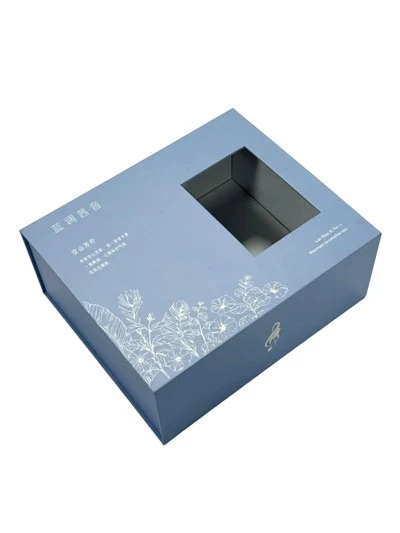
Don’t let another season go by where you pull out a favorite sweater and it’s full of holes, or a summer dress that’s yellowed because of bad storage. A good clothing box is an investment in your wardrobe that saves you money in the long run, and takes the stress out of storing clothes when you don’t need them. If you’re ready to learn more about our clothing boxes for out-of-season storage, or to discuss bulk pricing for your needs, reach out to our team to start the conversation. We’re here to help you keep your clothes in perfect condition, season after season.
Clothing Box References
- Textile Institute. (2021). “Effect of Storage Conditions on Natural Fiber Degradation.” Journal of Textile and Apparel Technology and Management.
- Environmental Protection Agency. (2022). “Indoor Humidity and Mold Growth in Residential Spaces.” EPA Indoor Air Quality Report.
- National Pest Management Association. (2020). “Common Pests Affecting Stored Textiles and Prevention Methods.” NPMA Technical Bulletin.
- American Association of Textile Chemists and Colorists. (2019). “UV Protection of Fabrics for Long-Term Storage.” AATCC Review.
Dongguan Jinying Printing Co., Ltd.
As one of the most experienced clothing box manufacturers and suppliers in China and Vietnam, we also support custom service and OEM service. Welcome to buy bulk luxury clothing box at competitive price from our factory. If you have any enquiry about cooperation, please feel free to email us.
Address: No. 5, 1st Road, Jingshan Third Industrial Zone, Chashan Town, Dongguan City, Guangdong Province
E-mail: inquiry@dg-jinying.com
WebSite: https://www.gpspacking.com/
