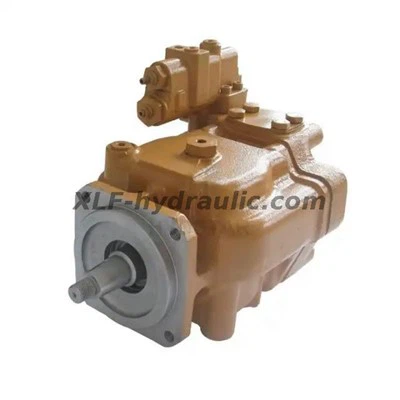
Hydraulic valves are integral components in hydraulic systems, playing crucial roles in controlling the flow, direction, and pressure of hydraulic fluid. As a supplier of hydraulic valves, I have witnessed firsthand the diverse applications and functions of these essential devices across various industries. In this blog post, I will delve into the primary functions of hydraulic valves, exploring how they contribute to the efficient and reliable operation of hydraulic systems. Hydraulic Valve
Flow Control
One of the fundamental functions of a hydraulic valve is to regulate the flow of hydraulic fluid within a system. Flow control valves are designed to adjust the rate at which fluid passes through a specific section of the circuit, thereby controlling the speed of actuators such as cylinders and motors. By regulating the flow rate, these valves enable precise control over the movement of hydraulic equipment, ensuring smooth and accurate operation.
There are several types of flow control valves, each with its own unique design and operating principle. Throttle valves, for example, use a variable orifice to restrict the flow of fluid, allowing for manual adjustment of the flow rate. Needle valves, on the other hand, feature a tapered needle that can be screwed in or out to fine – tune the flow. Proportional flow control valves offer more advanced control, as they can precisely adjust the flow rate based on an electrical input signal, enabling real – time control in automated systems.
In industrial manufacturing, flow control valves are widely used in CNC machines, where they control the speed of tool movements. This ensures that the cutting tools operate at the optimal speed, enhancing the quality of the finished products. In mobile equipment such as excavators, flow control valves are used to regulate the movement of the boom, arm, and bucket, allowing for smooth and efficient operation even in challenging working conditions.
Direction Control
Direction control valves are responsible for determining the path of hydraulic fluid within a system, guiding the fluid to different actuators or components as required. These valves play a critical role in controlling the movement and operation of hydraulic cylinders and motors, enabling them to perform specific tasks such as extending, retracting, rotating, or reversing.
The most common type of direction control valve is the spool valve. Spool valves consist of a spool that slides inside a valve body, opening or closing various ports to direct the flow of fluid. They can be manually operated, solenoid – operated, or pilot – operated, depending on the application requirements. Another type is the poppet valve, which uses a poppet to seal against a valve seat and control the fluid flow. Poppet valves are known for their fast response times and high – flow capabilities, making them suitable for applications where rapid and precise direction changes are needed.
In automotive steering systems, direction control valves are used to direct the flow of hydraulic fluid to the power steering cylinder, assisting the driver in turning the wheels. In factory automation systems, these valves are used to control the movement of robotic arms, allowing them to perform complex tasks such as picking and placing objects with high precision.
Pressure Control
Pressure control is another vital function of hydraulic valves. Hydraulic systems operate under high pressures, and it is essential to maintain the pressure within a safe and optimal range to ensure the proper functioning of the equipment and prevent damage. Pressure control valves are designed to monitor and regulate the pressure in a hydraulic circuit, protecting the system from over – pressure situations.
Relief valves are the most commonly used pressure control valves. They are set to open at a specific pressure level, allowing excess fluid to bypass the system and return to the reservoir when the pressure exceeds the set point. This prevents the pressure from building up to a dangerous level, safeguarding the components of the hydraulic system. Reducing valves, on the other hand, are used to lower the pressure in a specific part of the circuit to a desired level. They are commonly used in applications where different parts of the system require different pressure levels.
In hydraulic presses, pressure control valves are crucial for maintaining the correct pressure during the pressing operation. If the pressure is too high, it can damage the workpiece or the press itself, while insufficient pressure may result in an incomplete or faulty press. In oil and gas exploration equipment, pressure control valves ensure that the hydraulic systems can operate safely under extreme pressure conditions.
Load – Sensing and Proportional Control
In more advanced hydraulic systems, load – sensing and proportional control valves are used to optimize system performance and efficiency. Load – sensing valves are designed to detect the load requirements of the actuators and adjust the flow and pressure of the hydraulic fluid accordingly. This allows the system to provide just enough power to meet the actual load, reducing energy consumption and improving overall efficiency.
Proportional control valves, as mentioned earlier, can precisely control the flow, direction, and pressure of hydraulic fluid based on an electrical input signal. These valves are often used in conjunction with electronic control systems to achieve highly accurate and responsive control. They are commonly found in applications such as aircraft flight control systems, where precise and rapid control of hydraulic actuators is essential for safe and stable flight.
Applications in Different Industries
The functions of hydraulic valves make them indispensable in a wide range of industries. In the construction industry, hydraulic valves are used in equipment such as bulldozers, loaders, and cranes. They enable precise control of the movement of the equipment, allowing operators to perform tasks such as digging, lifting, and pushing with ease.
In the agriculture industry, hydraulic valves are used in tractors and agricultural machinery. They control the operation of implements such as plows, harvesters, and sprayers, improving the efficiency and productivity of farming operations.
In the aerospace industry, hydraulic valves are used in aircraft landing gear systems, flight control surfaces, and engine thrust reversers. The high – precision control provided by these valves is crucial for the safety and performance of aircraft.
Why Choose Our Hydraulic Valves
As a supplier of hydraulic valves, we understand the importance of providing high – quality products that meet the diverse needs of our customers. Our hydraulic valves are manufactured using the latest technology and the highest quality materials, ensuring reliable performance and long service life. We offer a wide range of valve types, including flow control valves, direction control valves, pressure control valves, and load – sensing valves, to suit different applications and industries.
Our team of experienced engineers and technicians can provide customized solutions for our customers. Whether you need a standard valve or a specially designed valve for a unique application, we have the expertise and resources to meet your requirements. We also offer comprehensive after – sales service, including installation support, maintenance, and repair, to ensure that your hydraulic systems operate at their best.
Conclusion

Hydraulic valves perform essential functions in hydraulic systems, including flow control, direction control, pressure control, and load – sensing and proportional control. Their ability to regulate the flow, direction, and pressure of hydraulic fluid enables precise and efficient operation of hydraulic equipment across various industries. As a reliable supplier of hydraulic valves, we are committed to providing high – quality products and excellent service to our customers.
Hawe Series If you are looking for high – quality hydraulic valves for your hydraulic system, I encourage you to contact us for procurement discussions. We are ready to work with you to find the best solutions for your specific needs.
References
- Systems Inc., Eaton. "Hydraulic Systems and Components Handbook".
- Fluid Power Handbook, edited by Rexroth Corporation.
- Hydraulic Controls Technology: Analysis and Design by Ronald K. Jurgen.
Wuhan Xinlaifu Hydraulic Equipment Co., Ltd.
Wuhan Xinlaifu Hydraulic Equipment Co., Ltd. is one of the most professional hydraulic valve manufacturers and suppliers in China, featured by high quality OEM&ODM products. Please feel free to buy customized hydraulic valve from our factory.
Address: Liansu Industrial Park, No.1, Xincheng 11th Road, Dongxihu District, Wuhan, Hubei, China
E-mail: service@xlf-hydraulic.com
WebSite: https://www.xlf-hydraulic.com/
