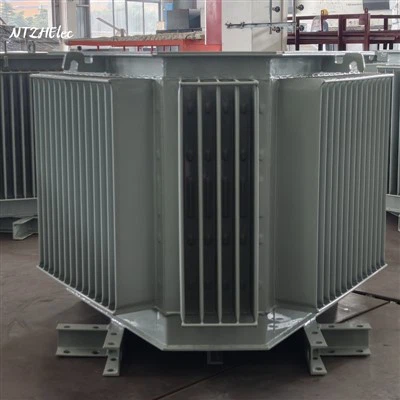
As a supplier of Pad Mounted Transformer Oil Tanks, I’ve witnessed firsthand the profound impact of extreme cold on these crucial components. In this blog, I’ll explore the various effects of frigid temperatures on Pad Mounted Transformer Oil Tanks, from changes in the oil’s properties to potential structural challenges, and discuss how we can address these issues to ensure the reliable operation of transformers in cold environments. Pad Mounted Transformer Oil Tank
Impact on Transformer Oil Properties
Transformer oil plays a vital role in the operation of Pad Mounted Transformers. It serves as an insulator, preventing electrical breakdown between the transformer’s windings, and as a coolant, dissipating heat generated during operation. However, extreme cold can significantly alter the properties of transformer oil, affecting its performance and potentially leading to equipment failure.
One of the most significant changes in transformer oil at low temperatures is an increase in viscosity. As the temperature drops, the oil molecules move more slowly, causing the oil to become thicker and less fluid. This increased viscosity can impede the flow of oil through the transformer, reducing its ability to transfer heat effectively. As a result, the transformer may overheat, leading to insulation degradation and reduced lifespan.
In addition to increased viscosity, extreme cold can also cause the formation of wax crystals in the transformer oil. These crystals can precipitate out of the oil as the temperature drops, clogging filters and reducing the oil’s insulating properties. Wax formation can also lead to the formation of sludge, which can further impede oil flow and cause damage to the transformer’s internal components.
Another concern is the potential for water to freeze in the transformer oil. Water can enter the transformer through various means, such as condensation or leakage. At low temperatures, water can freeze and form ice crystals, which can cause physical damage to the transformer’s insulation and other components. Ice formation can also lead to an increase in pressure within the transformer, potentially causing the oil tank to rupture.
Structural Challenges in Extreme Cold
In addition to the impact on transformer oil properties, extreme cold can also pose significant structural challenges to Pad Mounted Transformer Oil Tanks. Cold temperatures can cause materials to contract, which can lead to stress and cracking in the tank’s walls and joints. This is particularly true for tanks made of materials with high coefficients of thermal expansion, such as steel.
In regions where the ground freezes during the winter, the expansion of frozen soil can also exert pressure on the transformer oil tank, causing it to shift or crack. This can lead to leaks and other structural damage, which can compromise the safety and reliability of the transformer.
Furthermore, extreme cold can affect the performance of gaskets and seals used in the transformer oil tank. As the temperature drops, these materials can become brittle and lose their elasticity, leading to leaks and potential ingress of moisture and contaminants.
Mitigation Strategies
To address the challenges posed by extreme cold, it’s essential to implement effective mitigation strategies. Here are some key steps that can be taken:
- Use of Cold-Resistant Transformer Oil: Selecting transformer oil with a low pour point and good cold flow properties is crucial. Cold-resistant oils are formulated to maintain their fluidity and insulating properties at low temperatures, reducing the risk of wax formation and viscosity-related issues.
- Insulation and Heating: Adding insulation to the transformer oil tank can help to minimize heat loss and maintain the oil temperature within an acceptable range. In some cases, heating systems may also be installed to prevent the oil from freezing and to ensure proper oil flow.
- Regular Maintenance and Inspections: Conducting regular maintenance and inspections is essential to detect and address any issues early on. This includes checking the oil level, testing the oil for water and contaminants, and inspecting the tank for signs of damage or corrosion.
- Structural Reinforcement: In regions with extreme cold and ground freezing, it may be necessary to reinforce the transformer oil tank to withstand the additional stress and pressure. This can include using thicker steel plates, adding structural supports, and ensuring proper anchoring to prevent shifting.
- Monitoring and Alarm Systems: Installing monitoring and alarm systems can provide real-time data on the transformer’s temperature, oil level, and other critical parameters. This allows for early detection of potential problems and enables prompt action to be taken to prevent equipment failure.
Conclusion
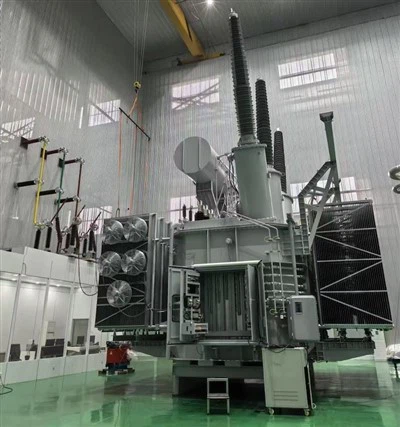
In conclusion, extreme cold can have a significant impact on the performance and reliability of Pad Mounted Transformer Oil Tanks. The changes in transformer oil properties, such as increased viscosity and wax formation, as well as the structural challenges posed by cold temperatures, can lead to equipment failure and potential safety hazards. However, by implementing effective mitigation strategies, such as using cold-resistant oil, providing insulation and heating, conducting regular maintenance and inspections, and reinforcing the tank’s structure, we can minimize the risks and ensure the reliable operation of transformers in cold environments.
Pole Mounted Transformer Oil Tank As a supplier of Pad Mounted Transformer Oil Tanks, I understand the importance of providing high-quality products that can withstand the rigors of extreme cold. Our tanks are designed and manufactured to meet the highest industry standards, using the latest materials and technologies to ensure optimal performance and reliability. If you’re looking for a reliable supplier of Pad Mounted Transformer Oil Tanks for your cold-weather applications, I encourage you to contact us to discuss your specific needs and requirements. We’re committed to providing you with the best solutions and support to help you achieve your goals.
References
- IEEE Std C57.12.28-2016, IEEE Standard for Pad-Mounted, Compartmental-Type, Self-Cooled, Three-Phase Distribution Transformers, 500 kVA and Smaller; High Voltage, 34 500 GrdY/19 920 Volts and Below; Low Voltage, 480 Volts and Below
- ASTM D3487 – 17, Standard Specification for Mineral Insulating Oil Used in Electrical Apparatus
- CIGRE Technical Brochure 663, "Impact of Extreme Weather Conditions on Electrical Equipment"
Nantong Zhihe Electric Co., Ltd.
As one of the most professional pad mounted transformer oil tank manufacturers and suppliers in China, we’re featured by quality products and low price. Please rest assured to wholesale cheap pad mounted transformer oil tank made in China here from our factory. Customized orders are welcome.
Address: NO.202 Jianghai West Road, Hai’an Town, Hai’an City, Jiangsu Province
E-mail: colt.ntzh@gmail.com
WebSite: https://www.ntzhelectric.com/
