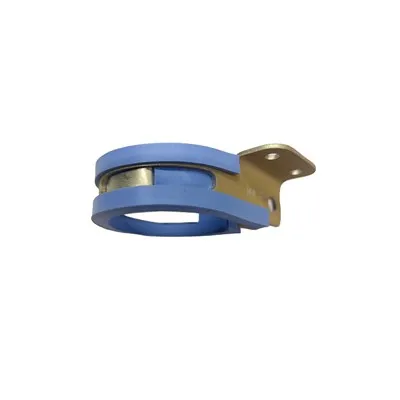
In the highly specialized and safety – critical environment of a chemical – processing plant, the question of whether one can use a piping connector is both complex and crucial. As a supplier of piping connectors, I’ve encountered this query numerous times from clients in the chemical industry. Let’s delve into the factors that determine the suitability of using piping connectors in such a demanding setting. Piping Connectors
Compatibility with Chemicals
The first and most fundamental aspect to consider is the compatibility of the piping connector material with the chemicals being processed. Chemicals in a processing plant can range from mild acids and alkalis to highly corrosive substances like sulfuric acid or hydrofluoric acid. Different materials have different resistance levels to these chemicals.
For instance, stainless steel is a popular choice for many piping connectors due to its general corrosion resistance. It can withstand a wide range of mild to moderately corrosive chemicals. However, in the presence of strong acids or certain oxidizing agents, stainless steel may still corrode over time. In such cases, connectors made from more exotic materials like Hastelloy or titanium might be required. Hastelloy is known for its excellent resistance to a variety of corrosive media, including sulfuric acid and hydrochloric acid. Titanium, on the other hand, is highly resistant to corrosion in chloride – containing environments, making it suitable for applications where seawater or brine is involved.
We, as a piping connector supplier, offer a wide range of materials to meet the diverse chemical compatibility requirements of our clients. Before recommending a specific connector, we conduct a detailed analysis of the chemicals involved in the process. This analysis includes factors such as the concentration of the chemicals, the temperature at which they are processed, and the pressure under which the system operates.
Pressure and Temperature Ratings
Chemical – processing plants often operate under high pressure and temperature conditions. Piping connectors must be able to withstand these extreme conditions without failing. The pressure rating of a connector indicates the maximum pressure it can handle safely. Similarly, the temperature rating specifies the range of temperatures within which the connector can maintain its integrity.
For high – pressure applications, connectors with thick – walled designs and robust sealing mechanisms are essential. For example, flange connectors are commonly used in high – pressure systems because they provide a large surface area for bolting and a reliable seal. The bolts used in flange connections are tightened to a specific torque value to ensure a proper seal and prevent leakage.
Temperature also plays a crucial role. At high temperatures, the material properties of the connector can change. Some materials may expand, which can affect the fit and seal of the connector. In addition, high temperatures can accelerate corrosion processes. We offer connectors with different temperature ratings to accommodate various operating conditions. For high – temperature applications, we may recommend connectors made from materials with high melting points and good thermal stability, such as ceramic – lined connectors or connectors made from high – nickel alloys.
Safety and Regulatory Compliance
Safety is of utmost importance in a chemical – processing plant. Piping connectors must meet strict safety standards to prevent leaks, which can lead to chemical spills, fires, or explosions. Regulatory bodies around the world have established standards for the design, manufacture, and installation of piping systems in chemical plants.
In the United States, the American Society of Mechanical Engineers (ASME) has developed codes such as ASME B31.3 for process piping. These codes specify requirements for materials, design, fabrication, inspection, and testing of piping systems. Our piping connectors are designed and manufactured in accordance with these standards to ensure compliance.
We also provide detailed documentation and certification for our products. This includes material certificates, pressure test reports, and compliance certificates. Our clients can be confident that the connectors they purchase from us meet all the necessary safety and regulatory requirements.
Installation and Maintenance
Proper installation and maintenance of piping connectors are essential for their long – term performance. Incorrect installation can lead to leaks, premature failure, and safety hazards. We offer comprehensive installation guidelines and training to our clients to ensure that the connectors are installed correctly.
During installation, factors such as alignment, torque, and sealing must be carefully considered. For example, when installing a threaded connector, the threads must be clean and free of debris. The correct amount of thread sealant must be applied to prevent leakage. In the case of welded connectors, proper welding techniques and procedures must be followed to ensure a strong and leak – free joint.
Maintenance is also crucial. Regular inspections of the piping connectors can help detect any signs of wear, corrosion, or damage. We recommend that our clients establish a maintenance schedule and perform routine checks on the connectors. If any issues are detected, our technical support team can provide guidance on the appropriate repair or replacement procedures.
Cost – Benefit Analysis
When considering whether to use a piping connector in a chemical – processing plant, cost – benefit analysis is an important factor. While high – quality connectors made from specialized materials may be more expensive upfront, they can offer significant long – term benefits.
For example, a connector that is highly resistant to corrosion may require less frequent replacement, reducing maintenance costs and downtime. In addition, a reliable connector can prevent costly chemical spills and safety incidents, which can have a major impact on the plant’s operations and reputation.
We work closely with our clients to conduct a cost – benefit analysis. We take into account factors such as the initial cost of the connector, the expected lifespan, the maintenance requirements, and the potential savings in terms of reduced downtime and safety. By providing a detailed cost – benefit analysis, we help our clients make informed decisions about the most suitable piping connectors for their specific applications.
Conclusion
In conclusion, the use of piping connectors in a chemical – processing plant is possible, but it requires careful consideration of several factors. Compatibility with chemicals, pressure and temperature ratings, safety and regulatory compliance, installation and maintenance, and cost – benefit analysis are all important aspects to take into account.
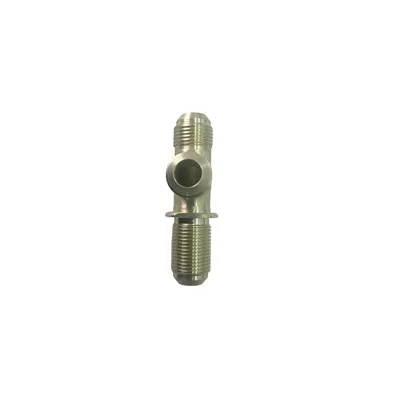
As a piping connector supplier, we are committed to providing our clients with high – quality products that meet their specific needs. Our team of experts has extensive knowledge and experience in the chemical industry, and we can offer customized solutions to ensure the safe and efficient operation of piping systems in chemical – processing plants.
Mechanical Processing Components If you are in the chemical – processing industry and are considering using piping connectors, we invite you to contact us for a detailed consultation. Our team will be happy to discuss your requirements, provide technical advice, and offer competitive pricing. Let’s work together to find the best piping connector solutions for your plant.
References
- American Society of Mechanical Engineers (ASME). ASME B31.3 Process Piping Code.
- Corrosion Handbook, edited by H. H. Uhlig.
- Piping Design Handbook, by George E. Shigley and Joseph J. Uicker.
Jiangxi Zhiyi Machinery Manufacturing Co., Ltd.
As one of the most professional piping connectors manufacturers and suppliers in China, we also support customized service. Please rest assured to wholesale bulk piping connectors in stock here from our factory. If you have any enquiry about quotation, please feel free to email us.
Address: Jiahai Industrial Park, No. 2799 Tianxiang Avenue, High-tech Zone, Nanchang City, Jiangxi Province.
E-mail: zgjxzy@163.com
WebSite: https://www.chinazhiyi.com/
