Hey there! I’m part of a machined part supplier, and let me tell you, programming a CNC (Computer Numerical Control) machine for machining parts is both an art and a science. In this blog, I’ll walk you through the ins and outs of this process, sharing some tips and tricks I’ve picked up over the years. Machined Part
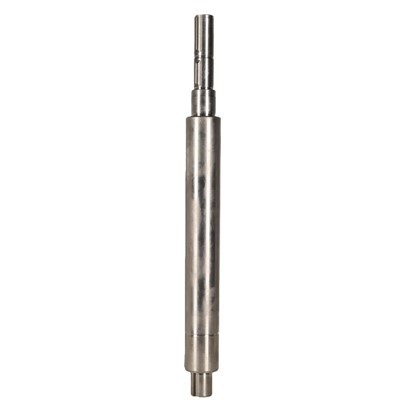
Understanding the Basics of CNC Machining
First things first, what’s CNC machining all about? Well, it’s a manufacturing process where pre-programmed computer software dictates the movement of factory tools and machinery. This technology allows for precise control over cutting, drilling, and other machining operations, which is crucial when you’re making high – quality machined parts.
As a machined part supplier, we deal with all sorts of materials, like metals (aluminum, steel, etc.), plastics, and composites. Each material has its own characteristics, and that affects how we program the CNC machine. For example, aluminum is relatively soft and easy to cut, so we can use higher cutting speeds. On the other hand, steel is harder, and we need to use slower speeds and more robust cutting tools.
Getting to Know the CNC Machine
Before you start programming, you’ve got to be familiar with the CNC machine you’re using. There are different types of CNC machines, such as CNC mills, lathes, and routers. Each has its own set of controls and capabilities.
For instance, a CNC mill is great for creating complex shapes by moving the cutting tool in multiple axes. A CNC lathe, on the other hand, is mainly used for turning operations, where the workpiece rotates while the cutting tool moves.
You need to understand the machine’s specifications, like its maximum spindle speed, feed rate limits, and the size of the work area. This knowledge will help you program the machine to work within its capabilities and produce accurate parts.
Designing the Part
Once you know your machine, it’s time to design the part you want to machine. We usually use CAD (Computer – Aided Design) software for this. CAD allows us to create a 3D model of the part with precise dimensions.
When designing, you’ve got to think about how the part will be machined. Consider things like the orientation of the part on the machine, the access points for the cutting tools, and any potential interference between the tool and the workpiece.
For example, if you’re making a part with a deep cavity, you need to make sure the cutting tool can reach the bottom of the cavity without hitting the sides. You also need to add some extra material (stock) to the design for roughing operations, which we’ll talk about later.
Creating the CNC Program
Now, this is the heart of the process – creating the CNC program. There are two main ways to do this: manual programming and using CAM (Computer – Aided Manufacturing) software.
Manual Programming
Manual programming is like writing a set of instructions for the machine. You use a programming language called G – code, which is a standard in the CNC world. G – code tells the machine where to move, how fast, and what operations to perform.
For example, the code "G00" is used for rapid positioning, which means the machine moves the tool quickly to a specific location without cutting. "G01" is for linear interpolation, where the tool moves in a straight line while cutting.
Manual programming requires a good understanding of G – code and the machining process. It’s more time – consuming, but it gives you full control over the program.
Using CAM Software
CAM software is a game – changer. It takes the 3D model you created in CAD and automatically generates the G – code for you. All you need to do is define the machining operations, like roughing, finishing, drilling, etc.
The software will calculate the tool paths, taking into account the geometry of the part, the cutting tools you’re using, and the machine’s capabilities. This saves a lot of time and reduces the chances of human error.
When using CAM software, you need to select the right cutting tools and set the appropriate cutting parameters. Cutting parameters include things like spindle speed, feed rate, and depth of cut. These parameters depend on the material you’re machining and the type of operation.
Setting up the Machine
Before you start the machining process, you’ve got to set up the machine properly. This involves:
Mounting the Workpiece
The workpiece needs to be securely mounted on the machine table. We use different types of fixtures, like vises, clamps, or custom – made jigs. The key is to make sure the workpiece is held firmly in place and is positioned accurately.
Installing the Cutting Tools
Select the appropriate cutting tools based on the machining operations and the material. For example, end mills are commonly used for milling operations, and drill bits are used for drilling holes. Make sure the tools are installed correctly in the tool holder and are properly aligned.
Setting the Tool Offsets
Tool offsets are used to compensate for the differences in the length and diameter of the cutting tools. You need to measure the tool offsets accurately and enter them into the CNC machine’s control system. This ensures that the machine knows exactly where the cutting edge of the tool is located.
Running the Program
Once the machine is set up, you’re ready to run the program. But before you hit the start button, it’s a good idea to do a dry run. A dry run means running the program without actually cutting the material. This allows you to check for any errors in the program, like collisions between the tool and the workpiece or the machine itself.
During the dry run, watch the machine closely. You can also use the machine’s simulation function to visualize the tool paths. If you notice any issues, stop the dry run, make the necessary changes to the program, and then repeat the dry run.
When you’re satisfied with the dry run, you can start the actual machining process. Keep an eye on the machine while it’s running. Check the cutting chips, the sound of the machine, and the surface finish of the part. If you notice any problems, like excessive tool wear or poor surface finish, you may need to adjust the cutting parameters.
Quality Control
After the machining is done, it’s time for quality control. We use different measuring tools, like calipers, micrometers, and coordinate measuring machines (CMMs), to check the dimensions of the part against the design specifications.
If the part doesn’t meet the specifications, we need to figure out what went wrong. It could be a problem with the programming, the cutting tools, or the machine setup. Once we identify the issue, we can make the necessary adjustments and re – machine the part or fix the problem for future production.
Tips for Successful CNC Programming
- Keep Learning: The world of CNC machining is always evolving. Stay updated with the latest technologies, software features, and machining techniques. Attend workshops, read industry magazines, and join online forums.
- Test Your Programs: As I mentioned earlier, always do a dry run before starting the actual machining. This can save you a lot of time and money by preventing costly mistakes.
- Maintain Your Machine: Regular maintenance of the CNC machine is crucial. Keep the machine clean, lubricate the moving parts, and replace worn – out components on time. A well – maintained machine will produce more accurate parts and have a longer lifespan.
Wrapping It Up and Reaching Out

Programming a CNC machine for machining parts is a multi – step process that requires a combination of technical knowledge, practical skills, and attention to detail. At our machining part supplier, we take pride in our ability to create high – quality parts using the latest CNC technology.
Machined Part If you’re in the market for machined parts, whether it’s a single prototype or a large production run, we’d love to talk to you. We’ve got the expertise, the equipment, and the commitment to quality to meet your needs. Feel free to reach out to us for a quote or to discuss your project further.
References
- "CNC Programming Handbook" by Steve Nicolo
- "Mastering CNC Machining" by Geoff Bryant
- Various industry articles from "Modern Machine Shop" magazine.
Ningbo Uni-drive Technology Co., Ltd.
Ningbo Uni-drive Technology Co., Ltd. is one of the most professional machined part manufacturers and suppliers in China. Please feel free to buy cheap machined part made in China here and get pricelist from our factory. All customized products are with high quality and competitive price.
Address: Industrial Site No. 6, Jingtou Village, Sanqi Town, Yuyao City, Zhejiang Province
E-mail: admin@uni-drive.com.cn
WebSite: https://www.motordriveshaft.com/
