If you’ve ever found your fridge humming to a stop mid-thaw during a summer storm, or watched your home office laptops die minutes before a deadline when the power cuts out, you know how much a reliable backup power source isn’t just a luxury—it’s a peace of mind. As someone who’s been supplying and installing home backup power stations for over seven years, I can’t tell you how many times a customer has asked me the same question: “How much is this actually going to cost me?” The truth is, there’s no one-size-fits-all answer, but breaking down the variables, upfront costs, long-term value, and hidden fees (the stuff most salespeople don’t tell you) will help you plan without sticker shock. I’ve worked with single-family homeowners in snowy Vermont, small condo complexes in Florida, and even a family farm in Ohio over the years, so I’ve seen nearly every scenario that impacts a final price. Let’s walk through it, no jargon, no fluff—just real numbers from someone who’s showing up to job sites at 6 a.m. and answering service calls at 8 p.m. Home Backup Power Stations
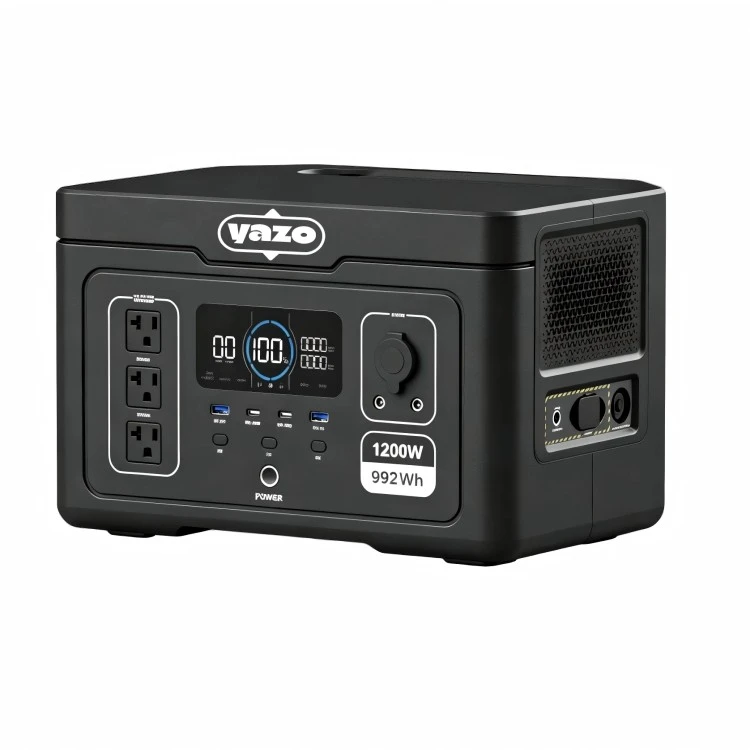
First, let’s start with the core of the system itself: the home backup power station. Most of the units we install fall into two main categories, and that split alone changes the price dramatically. The first is a standby generator—often powered by natural gas or propane, permanently mounted outside your home, and wired directly to your electrical panel. These kick on automatically within 10 to 30 seconds of a power outage, so you don’t have to fumble with extension cords or haul a portable unit out of the garage in the rain. The second is a battery-based backup power station, sometimes called a whole-home battery or solar generator (even if you don’t have solar panels). These store electricity for use during outages, are quiet, and work well for smaller loads, though they’re not always powerful enough for every home.
For a basic portable backup generator, which is usually a temporary solution for smaller needs (think running a fridge and a few lights for a few hours), you’re looking at $1,000 to $3,000. But I always caution customers against cutting corners here: portable units can be dangerous if run in enclosed spaces (they emit carbon monoxide, which has caused deadly cases I’ve seen firsthand in my service area) and require manual setup every time the power goes out. Most of our clients end up going for standby units or whole-home batteries, so let’s focus on those.
Standby generator sizes are measured in kilowatts (kW), and that’s the biggest driver of upfront cost. A 10kW standby unit, which is enough to power a small home’s essential circuits (fridge, a few lights, Wi-Fi, a sump pump), costs between $3,500 and $6,000 just for the unit itself. Step up to a 20kW model, which can handle most of your home’s major systems (AC, oven, water heater, washing machine), and that price jumps to $5,000 to $9,000. We recently installed a 22kW unit for a family in Jacksonville whose home flooded during Hurricane Ian the year before—they told me the 12 days without power made them sick of eating spoiled food and sleeping in hotel rooms, so they wanted something that could keep their entire home running when the next storm hits. That 22kW unit came in at $8,200 before installation, and they didn’t bat an eye when we finished the job for $11,400 total. Wait, right—installation is the next big piece, and it’s where most hidden costs live.
Installation isn’t just hooking a unit to a gas line and wiring it to your panel. It involves a site assessment, getting permits, running gas lines (if you’re going with natural gas), upgrading your electrical panel if it’s too old or not powerful enough, mounting the unit safely (usually 5 feet from windows and doors to avoid carbon monoxide exposure), and testing the entire system to make sure it kicks on when the power cuts. For a 10kW standby unit, installation adds $2,000 to $4,000. For a 20kW unit, you’re looking at $3,000 to $5,000 in labor and materials. A big part of that cost is your home’s existing setup: if your gas line is already close to where the generator needs to go, that cuts down on materials. If your electrical panel is 30 years old and can’t handle the extra load from a large generator, we have to upgrade that, which adds $1,500 to $3,000 on top of the installation. I had a customer in Boston last year whose panel was so outdated that adding a 15kW generator required a full panel replacement, which pushed his total from a projected $9,500 to $12,700. He told me it was worth every penny when a snowstorm knocked out power for 48 hours, and his heat stayed on the whole time.
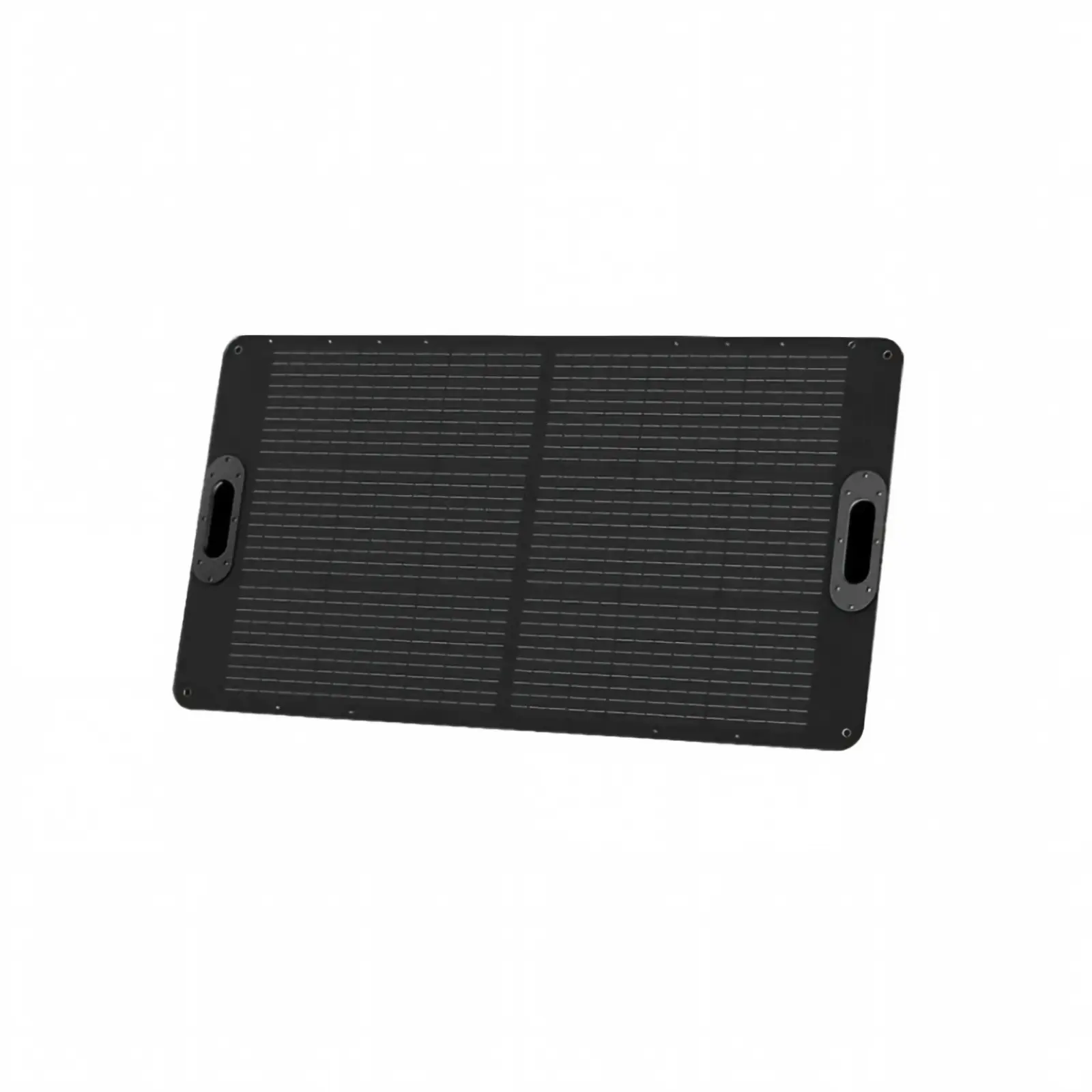
Now, let’s talk about battery-based backup power stations, which are growing in popularity, especially for homeowners with solar panels or who want a quieter, lower-maintenance option. A basic whole-home battery, like the Tesla Powerwall or Generac PWRcell, has a capacity of 10 to 14 kilowatt-hours (kWh), which is enough for 2 to 3 days of essential loads. The unit itself costs between $7,000 and $12,000, but the installation is different from a generator. You don’t need a gas line, but you do need to hire an electrician to mount the battery (usually indoors or on a garage wall) and connect it to your panel. Installation for a single Powerwall runs $1,500 to $3,000, and if you add a second battery to power more circuits, that adds another $6,000 to $8,000 for the unit plus $1,000 to $2,000 for installation. So a two-battery whole-home setup can be anywhere from $16,000 to $25,000. That’s a higher upfront cost than a standby generator, but the upside is that batteries are quiet, don’t burn fuel (so no fluctuating gas costs over time), and can work with solar panels to store extra energy for when the grid is down or you want to lower your utility bills during the day. We installed a pair of batteries for a family in Arizona last year who spends a lot on AC during the summer—they said the combination of backup power and savings on their monthly electric bill makes the long-term payoff worth it.
Wait, there are also add-ons and extra costs that most people don’t account for, and these can push your final price up by 10% to 20% if you’re not careful. First, permits: every town has different rules for generator and battery installations, and we always pull the necessary permits because skipping them can lead to fines down the line or issues with your home insurance. Permits usually cost $200 to $800, depending on where you live. Then there’s a transfer switch—this is a critical part that connects the backup power to your home’s circuits and prevents backfeeding, which can electrocute line workers repairing the grid. A manual transfer switch is cheaper ($300 to $800), but an automatic transfer switch, which is what most customers want because it works without you, is $500 to $1,500, and part of the installation cost goes to that. Another add-on is a monitoring system, which lets you check your backup power’s status, see how much fuel or battery you have left, and get alerts when the power goes out. Basic monitoring is included with most units, but a smart app that lets you control loads from your phone adds $200 to $500. And if you live in an area with extreme weather—like a coastal area with hurricanes or a snowy area with blizzards—you might need a weatherproof enclosure for your generator or a reinforced mount for a battery, which adds $500 to $1,000.
Now, let’s talk about long-term costs, because the upfront price isn’t the only thing you’ll pay over time. Standby generators run on natural gas or propane. Natural gas is usually cheaper, but if your area has high gas prices, that adds up. A 20kW generator uses about 2 gallons of propane per hour at full load, so a 24-hour outage would use 48 gallons of propane, which at $2.50 a gallon is $120 for that outage. Generators also need maintenance every year—changing the oil, replacing the air filter, checking the spark plugs. Annual maintenance costs $150 to $300, and that’s something we offer as a service for our customers. Batteries, on the other hand, have very low ongoing costs—just occasional check-ins, no fuel, no maintenance beyond that. The only catch is that batteries have a lifespan of 10 to 15 years, so you’ll need to replace them eventually, which is an extra cost down the line. Generators can last 20 to 30 years with regular maintenance, so that’s a longer life span for a higher upfront cost.
I always tell customers to think about their specific needs when comparing costs. If you’re in an area that has short, frequent outages (like a place that gets a lot of afternoon thunderstorms), a 10kW standby generator for essential circuits might be perfect, and that would cost around $5,500 total (unit + installation). If you have solar panels and want to store extra energy for backup, a pair of batteries might be the way to go, with a total cost of around $20,000. And if you’re on a tight budget and only need something for a small space, a portable generator might be $2,000 upfront, though you’ll miss out on the automatic convenience.
Another thing to consider: rebates and tax incentives. A lot of states and utility companies offer rebates for backup power systems, especially batteries that work with solar. For example, California offers up to $10,000 in rebates for whole-home batteries, and many other states offer $1,000 to $5,000. The federal Inflation Reduction Act also offers a 30% tax credit for residential backup power systems, whether they’re generators or batteries, up to $4,000 for generators and $8,000 for batteries. That can cut your upfront cost by thousands of dollars—for example, a $10,000 battery setup would be $7,000 after the 30% tax credit. I make sure to explain these incentives to every customer, because they’re not always advertised prominently, and they can make a big difference.
I’ve had customers come to me thinking backup power would cost $20,000 for no reason, just because they saw a random online ad for a fancy unit. The reality is that most of our installations are between $5,000 and $15,000, depending on the size and type of system, and that’s for a reliable, professionally installed unit that will work when you need it. I once had a customer who tried to install a generator himself for $3,000, cutting out the professional installation, and it broke down the first time there was a power outage. He ended up paying us $7,000 to redo the job, so the “savings” ended up costing him more. That’s why I always recommend going with a reputable supplier like ours, who has certified technicians, offers warranties, and will service your system for years to come.
At the end of the day, the cost of a home backup power station is an investment in your comfort, safety, and peace of mind. When the power goes out, you don’t want to be stressing about food spoiling, your kids being cold in the winter, or your business losing money because you can’t power your equipment. We’ve seen how much that matters, especially during extreme weather events that are getting more frequent every year. If you’re ready to talk about your specific needs, get a personalized quote, or learn more about which system is right for your home, don’t hesitate to reach out to our team for a no-obligation consultation. We’ll walk you through every cost, every option, and make sure you have all the information you need to make the right choice for your family.
Power & Charging Accessories References
- U.S. Department of Energy. (2024). Home Backup Power Systems: A Guide to Generators and Batteries.
- International Association of Electrical Inspectors. (2023). Residential Backup Power Installation Standards.
- Inflation Reduction Act of 2022, Pub. L. No. 117-169, § 13703 (residential clean energy tax credits).
- North American Electric Reliability Corporation. (2023). 2023 Long-Term Reliability Assessment.
Overlooking Countless Small Mountains (Xiamen) Electric Power Technology Co., Ltd.
Overlooking Countless Small Mountains (Xiamen) Electric Power Technology Co., Ltd. is one of the most reliable home backup power stations manufacturers and suppliers in China. With a professional production team, we are able to meet the needs of the majority of our customers. Please feel free to wholesale bulk high quality home backup power stations made in China here from our factory.
Address: No.888, Tonglong 2nd Road, Xiamen Torch High-tech Industrial Zone (Xiang’an), Xiamen, Fujian, China
E-mail: admin@powerstationsupplier.com
WebSite: https://www.powerstationsupplier.com/
