Hey everyone, Sarah here, one of the guys running the melamine faced MDF supplier side of things – and let’s be real, I get asked this question at least 5 times a day: “Does melamine faced MDF warp?” If you’re a furniture maker, cabinet builder, or even just a weekend DIYer staring at a stack of boards in your garage, this question’s probably been bouncing around your head too. I’ve been in this game for 7 years now, so I’m gonna break this down like I would for a customer on the phone – no stuffy jargon, just real talk, science that makes sense, and what you actually need to know before you hit “purchase” on that next order. Melamine Faced Mdf
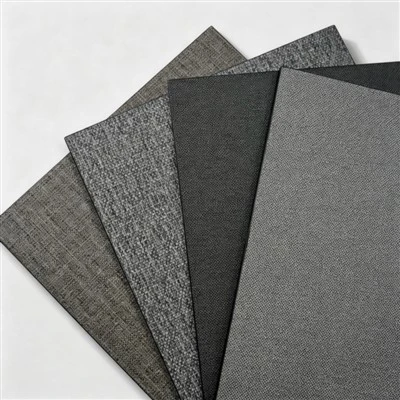
First, let’s get one thing straight: nothing wooden is completely warp-proof. Not solid oak, not plywood, not even that fancy birch ply you love so much. So saying melamine faced MDF never warps would be lying through my teeth. But wait – before you scroll off, let’s clarify: it’s way less likely to warp than a lot of other materials people compare it to, and 90% of the time, warping happens because of something we (suppliers, manufacturers, or customers) do wrong, not because the material itself is garbage.
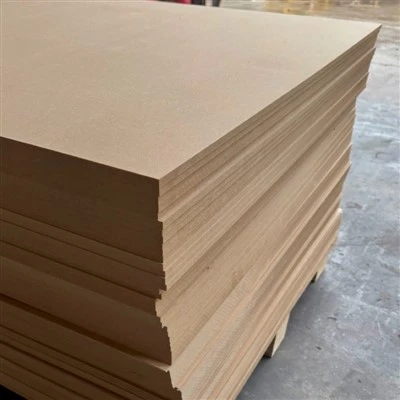
Let’s start with what melamine faced MDF actually is, because I swear half the confusion comes from people mixing it up with regular MDF or melamine board (which is a totally different animal). Core MDF is medium-density fiberboard – it’s made from squishing wood fibers, resin, and wax super tight under high pressure and heat. It’s dense, it’s smooth, it’s way more stable than solid wood because wood has those grain lines that expand and contract unevenly. Then we add the melamine layer – that’s the hard, plastic-like finish that comes in every color and wood grain imaginable. We press that melamine sheet right onto both sides of the MDF core (99% of reputable suppliers, including ours, do both sides), and that’s where the magic for stability happens.
Now, why does wood warp in the first place? It’s all about moisture. Wood hates sudden changes in humidity and temperature. When it absorbs moisture, it swells; when it dries out, it shrinks. And since wood fibers align along the grain, that expansion and contraction isn’t even on different sides of the board – that’s what causes warping, cupping, twisting, the whole mess.
So where does melamine faced MDF fit into this? The melamine layer acts like a moisture barrier, right? It doesn’t let moisture move in and out of the core MDF as easily. That’s a huge win. Solid wood is like a sponge that lets moisture jump all around, but melamine faced MDF is like a water bottle with a tight lid – it slows that process way down. But here’s the catch: only if the melamine is applied correctly. If we skip a side (some cheap suppliers do this to cut costs) or if the melamine layer has scratches, chips, or gaps, moisture can seep in from those weak spots, and that’s when warping starts. We always apply melamine to both sides, plus we edgeband all the cut edges for our standard orders – that’s another key step people sleep on.
Wait, let’s talk about the common mistakes that do cause melamine faced MDF to warp, because this is the stuff that trips everyone up. First, improper storage. If you leave a stack of boards leaning against a wall in a damp basement for a month, or you store them outside where it rains on them and the sun bakes them, that’s asking for trouble. Even the best material can’t handle being abused. I had a customer last year who ordered 20 sheets for a kitchen remodel, left them in his driveway for 3 weeks while he waited for his cabinets to be built, and then blamed us when half the sheets cupped. We felt bad, but we explained – that’s not the MDF’s fault.
Second, cutting mistakes. If you cut melamine faced MDF with a dull blade, you get those rough, frayed edges where the melamine is chipped away. Those edges are like little open doors for moisture. And if you don’t edgeband them after cutting – which is super important for furniture that’s going to see regular humidity changes, like bathrooms or kitchens – moisture will wick into the core through those cut edges and cause the board to warp. I always tell customers that a quick edgeband with hot glue or iron-on tape is worth every second of extra work, even if it seems like a hassle.
Third, extreme environment use. Melamine faced MDF is great for most indoor projects – cabinets, bookshelves, desk tops, wall panels – but it’s not made for bathrooms without proper sealing or outdoor use at all. If you try to hang melamine cabinets in a bathroom that gets steamy every time someone showers, and you didn’t seal the edges? Warping is gonna happen. Same with using it for a garden bench or a patio table – the sun, rain, and fluctuating humidity will eat through that melamine layer fast. It’s an indoor material, folks, that’s just how it is.
Now, let’s get to the actual science behind why melamine faced MDF is way more stable than solid wood, for example. Let’s say you take a 4×8 sheet of solid pine and a 4×8 sheet of melamine faced MDF, and you leave them in a space where humidity swings from 30% to 70% over a month. The solid pine will expand and contract along its grain – usually around 1/4 inch across the width of the sheet. The melamine faced MDF? The melamine layer restricts that expansion, so you’re looking at maybe 1/16 inch of movement, if that. That tiny difference is why melamine faced MDF is the go-to for so many furniture and cabinet makers. I’ve had long-time customers who’ve been using our boards for 10 years – they only replace warped boards when they accidentally damage them during installation, never from the material itself failing.
Wait, but what about thickness? Does that matter? Abso-freaking-lutely. A 3/4 inch melamine faced MDF sheet is way less likely to warp than a 1/4 inch sheet. Thicker boards have more core material, and the melamine layer’s barrier effect is stronger when there’s more MDF to stabilize. That’s why when you’re making a heavy-duty bookshelf or a countertop, we always recommend going with 3/4 inch or 1 inch, not the thin stuff. I’ve seen too many people buy cheap 1/4 inch boards for a desk, and then have it twist within a month because it’s just too thin to resist the tiny amount of moisture it does absorb.
Another myth: “all melamine faced MDF is the same.” No way. Cheap suppliers cut corners on the melamine thickness, the quality of the core MDF, or even the pressing process. We use 0.6mm melamine on both sides – that’s the industry standard for quality, because thinner melamine can scratch easy and doesn’t form as tight a bond with the core. Our core MDF is CARB Phase 2 compliant, so it has low formaldehyde, and we press the melamine at 300 degrees Fahrenheit and 1000 psi to make sure it’s fused so tight you’d have to scratch it hard to get it off. I’ve tested boards from other suppliers – I once got a batch from a big box store that had melamine so thin it peeled off just from dropping a screw on it. That’s why our customers come back – we don’t do that garbage.
What about warping vs. other issues? Sometimes people confuse warping with sagging. If your bookshelf is sagging in the middle, that’s not the board warping – that’s the shelf too thin, or not supported properly. I had a customer tell me his new bookshelf was “warped” because his 100 hardcover books were making the middle bow. We went out to check it, and it was a 1/2 inch thick shelf, 3 feet long, with no middle support. That’s not warping – that’s bad design. Melamine faced MDF can hold a ton of weight if you use the right thickness and support it properly.
Now, let’s talk about fixing warped melamine faced MDF, just in case you do end up with a warped board (though it’s super rare if you follow the rules). If it’s a minor warp (less than 1/8 inch), you can often fix it by putting it in a humid space (like a bathroom with the shower running) to make it swell back, then clamping it flat and letting it dry slowly. If it’s a more severe warp, you can use it for a project that doesn’t need to be perfectly flat – like a back panel for a cabinet, or a shelf that’s going to be hidden. But the best fix is to not get warped boards in the first place: buy from a reputable supplier, store your boards flat and in a consistent humidity space, edge all cut edges, and use the right thickness for your project.
Wait, let’s circle back to that original question: Does melamine faced MDF warp? The short answer is: it can, but only in specific circumstances, and it’s way less prone to warping than most alternative materials. The stuff you buy from a sketchy supplier, stores wrong, or uses in the wrong environment? Yeah, that’ll warp. But our boards? 99% of the time, the warping issues people blame on us are avoidable with a little common sense.
As a supplier, I hate seeing customers get frustrated with a material that’s actually really great when used correctly. Melamine faced MDF is affordable, easy to cut and drill, comes in every design you could want, and is way more durable than regular MDF. It’s perfect for so many projects – I built my own kitchen cabinets with it 5 years ago, and they’re still totally flat, no warping, even with me and my family opening and closing them every day. That’s not luck, that’s using the right material and taking care of it.
If you’re in the market for melamine faced MDF, don’t just go for the cheapest option. Ask about the melamine thickness, if both sides are covered, and what kind of core they use. If you’re a DIYer, don’t buy thin boards for big, flat projects. If you’re a professional, make sure you’re communicating your project needs so we can hook you up with the right thickness and finish. And if you do run into an issue, reach out – we’ll help you troubleshoot, not just brush you off.
At the end of the day, melamine faced MDF warping isn’t some unavoidable flaw of the material. It’s a combination of quality, preparation, and use. It’s way more stable than solid wood, way easier to work with than plywood, and way more affordable than either. If you do it right, you won’t have to worry about warping at all.
If you’re ready to place an order, or just have more questions about thickness, colors, or care tips, hit us up – we’re here to help you get the right boards for your project, no matter how big or small.
Melamine Faced Chipboard References
- American Wood Council. (2020). Wood Moisture Movement and Stability.
- APA – The Engineered Wood Association. (2021). Performance Guidelines for Melamine-Coated Fiberboard.
- CARB (California Air Resources Board). (2019). Phase 2 Formaldehyde Standards for Composite Wood Products.
- Wood Magazine. (2022). Comparing Stability of Engineered Wood Products for Furniture Building.
Jiangshan Shunlong Wood Industry Co., Ltd.
As one of the most professional melamine faced mdf manufacturers and suppliers in China, our products have good reputation in the market. Please feel free to wholesale bulk melamine faced mdf in stock here and get quotation from our factory. We also accept customized orders.
Address: No.7 Jinfeng Road, Jintangshan Industrial Zone, Hecun Town, Jiangshan City, Quzhou City, Zhejiang Province
E-mail: 17858202655@163.com
WebSite: https://www.shunlongwood.com/
