Hey there! If you’ve ever stood in a mudroom with wet sneakers tracking dirt all the way to your bedroom, or wiped your feet on a flimsy mat that’s already torn after a month, you know how annoying floor mat placement can be. As someone who’s been in the floor mat game for years, I get it – it’s not just about tossing a mat down anywhere. There’s a science to where they go, and getting it right saves you from endless cleaning, extends the life of your mats, and even keeps your space safer. Let’s break this down like we’re chatting over coffee – no fancy jargon, just real stuff that works. Floor Mat
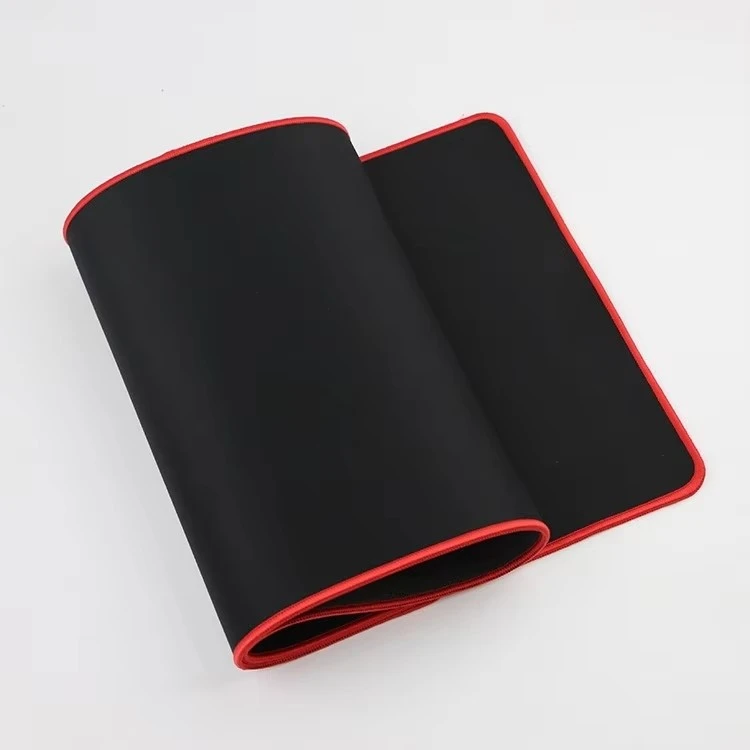
First off, let’s talk about the big ones: the entryways. Wait, not just one entryway – every exterior door? Yeah, that’s key. Most people only have a mat right inside their front door, but think about how many times someone brings groceries in, or a kid runs in with grass on their shoes, or a pet tracks in mud from the backyard. You actually need two mats at each main exterior door: one outside, one inside. I know, it sounds like overkill, but hear me out. The outside mat catches the bulk of the gunk – mud, snow, leaves, salt in the winter – right at the door so it doesn’t get dragged in. The inside mat takes what’s left off, so you’re not vacuuming salt crystals off your hardwood floors every week.
Pro tip here: don’t skimp on the outside mat’s durability. It’s gonna take a beating, so something with a heavy-duty rubber or coir surface works best. Coir is that rough, coconut fiber stuff – it’s perfect for scraping shoes, and it’s super tough. The inside one can be softer, like a low-pile nylon or microfiber, since it’s just for wiping the last bit of dirt. Also, make sure the outside mat is slightly bigger than your door’s threshold – that way, when you step off the porch, you’re already on the mat before entering. I’ve seen people place mats right against the door, but if someone’s carrying a stack of boxes, they might step over it instead of on it. Trust me, extra length there makes all the difference.
Then, what about interior entryways, like between your garage and the main house? So many people miss this spot. Garages are basically dirt magnets – cars bring in road salt, oil drops, grass from the lawn mower, even pine needles. If you don’t have a mat between the garage and your kitchen or living room, all that stuff gets tracked in. I’ve had customers who skipped this, and they’d call me complaining their baseboards were always dirty. A simple, water-resistant mat here works wonders – it’s easy to shake out or hose down, and it creates a barrier between the garage chaos and your clean space.
Now, moving on to high-traffic areas inside the home – like hallways that connect three or four rooms, or the space right in front of the kitchen sink. Wait, kitchen sink area! How many times have you splashed water, dropped food crumbs, or tracked in flour when baking? A mat there isn’t just for looks – it’s for slip prevention too. Kitchen floors get wet all the time, and a good mat with non-slip backing keeps you from sliding on a puddle of soapy water. But here’s a mistake people make: putting a big fluffy rug in front of the sink. That’s a disaster. It absorbs water and mold grows in it, or you step on a loose thread and trip. Stick with a thin, machine-washable mat here – something that can handle spills and gets thrown in the laundry every few days. I always recommend microfiber for kitchen sinks; it’s super absorbent and doesn’t hold onto smells like some other materials.
Another big spot: under doormats at side or back doors if you have a patio or deck. If you grill a lot, or let the dog out multiple times a day, that back door gets way more action than you think. A mat there catches charcoal dust, grass clippings, dog hair – all the stuff that doesn’t belong on your carpet or hardwood. Just like the front doors, pair an outside and inside mat here. The outside one can handle being exposed to the elements – rain, sun, whatever – so UV-resistant rubber is a good call, since direct sunlight can make some mats fade or crack.
Wait, what about laundry rooms? Duh, laundry rooms have wet floors from washing machines, detergent spills, and socks that get left on the floor. A mat in the laundry room does double duty: it protects your floor from leaks, and it makes standing while folding clothes way more comfortable. But don’t put a thick, plush mat there – it can get waterlogged and turn into a slip hazard. Look for a flat, rubber-backed mat that’s easy to wipe clean. I’ve had customers who tried shag rugs in laundry rooms and ended up with moldy, smelly messes after a month. Save the fluff for the bedroom, not the space where you’re mopping up bleach.
Bedrooms – let’s talk about those. Most people put a small mat by the bed, right? But why? Well, if you have hardwood or tile floors, stepping out of bed onto a soft mat is way nicer on your feet, especially in the morning. But size matters here. A lot of people get a tiny mat that only covers the first few inches of the floor, but it’s better to get something that stretches from the nightstand to halfway across the bed, so you can put both feet down without hitting cold tile. Also, if you have kids, a thicker, non-slip mat by their bed is a safety thing – they’re tripping over their stuffed animals half the time, so a soft mat cushions falls. Just make sure it’s machine-washable, because let’s be real, kids spill juice, dirt from playground shoes, and who knows what else on bedroom floors.
Now, let’s talk about the spots you might not think of: under dining room tables? Wait, yes, if you have a hard floor under your table, a mat there protects it from dropped plates, wine spills, and chair legs scratching the surface. But don’t get a mat that’s too big – you want it to go under the table, not out into the walkway, because people could trip over the edge when pulling their chairs out. A lot of restaurants use these for their floors, and it works just as well at home. Also, if you have a pet that eats in the dining area, a mat under their food and water bowls catches spilled kibble or water drips – no more sweeping crumbs off the floor every hour.
Bathrooms, obviously – but not just inside the shower. A mat right outside the shower or tub is non-negotiable. Bathrooms get wet, and slip-and-falls are super common, especially for older folks or kids. But here’s a thing: don’t use a regular rug here. It can get moldy because it stays damp, and the backing can peel off. Look for a bath mat with a rubber suction bottom – it grips the floor so it doesn’t slide when you step on it, and it dries quickly. I also recommend one with drainage holes, so water doesn’t pool on top. Skip the long, fluffy bath mats near the toilet too – they get splashed all the time, and it’s gross. A small, absorbent mat right by the sink is enough for that spot.
Wait, let’s get into why placement matters beyond just cleaning and safety – it’s about mat longevity. If you put a mat in a spot that gets way too much sun, it’ll fade and crack in a few months. If you put a thick mat under a door that closes, it’ll get squished and the edges will fray. I’ve seen so many customers buy nice mats but place them wrong, so they only last half as long as they should. That’s where I come in – as a supplier, I don’t just sell mats, I give you the real tea on where to put them. Because a good mat in the right spot is a better investment than two mats in the wrong place.
Also, let’s address the “wait, can I skip mats in some spots?” question. If you have carpeted entryways, you still need a mat! Wait, why? Because shoes track in dirt that grinds into carpet fibers, making it wear out faster. A mat at the entry catches that dirt before it gets on the carpet, so your carpet lasts longer and you don’t have to clean it as often. I had a customer with a white carpet in their living room who thought they didn’t need a mat by the front door – after a month, they had a permanent grass stain that wouldn’t come out. Now they have a durable nylon mat there, and their carpet looks good two years later.
Let’s wrap this up with some quick, no-nonsense rules so you don’t have to memorize a bunch: every exterior door needs two mats (outside + inside); garage-to-main-door needs a water-resistant mat; kitchen sink, laundry room, and bathroom exits need thin, absorbent, non-slip mats; bedroom beds need medium-thickness, machine-washable mats that cover a good area; dining tables (hard floors) need mats under the table, not in walkways.
If you’re still unsure about what mats work for which spot, or you want to stock up for your own home, feel free to reach out for a chat – no sales pressure, just straight talk about what’ll fit your space. I’ve worked with homeowners, renters, even small businesses, so I know exactly how to match the right mat to the right place.
Now, some quick facts to back this up – because I don’t want to just give you my opinion. Studies from the Institute of Cleaning Sciences say that dirt tracked into homes is responsible for 80% of indoor air pollutants (that’s a big one for allergies!) and that proper mat placement reduces carpet wear by up to 70%. The American Academy of Orthopaedic Surgeons notes that non-slip mats in high-moisture areas cut slip-and-fall injuries in bathrooms by nearly 50%. Those aren’t random numbers – they’re why the placement matters so much.
Anti-Fatigue Mats At the end of the day, floor mats aren’t just a decorative afterthought. They’re a small, easy way to make your home cleaner, safer, and less work for you. Too many people sleep on this, but once you get the placement right, you’ll wonder why you didn’t do it sooner. If you need help picking the right mats for each spot, or you’re looking to restock, hit me up – I’m here to make this easy, no confusing jargon, no weird add-ons, just mats that work where you need them.
References
- Institute of Cleaning Sciences. (2022). Indoor Dirt Contamination and Floor Maintenance Practices.
- American Academy of Orthopaedic Surgeons. (2021). Slip-and-Fall Injury Prevention in Residential Settings.
- Home Flooring Magazine. (2023). Floor Mat Selection and Longevity for Residential Spaces.
Cixi Mingsheng Rubber & Plastic Co., Ltd.
Cixi Mingsheng Rubber & Plastic Co., Ltd. is one of the most experienced floor mat manufacturers and suppliers in China, also supports customized service with competitive price. We warmly welcome you to buy bulk cheap floor mat from our factory. If you have any enquiry about quotation and free sample, please feel free to email us.
Address: No.2, Yuanyi Road, Sanbei Dongdu Industrial Zone, Longshan Town, Cixi City China
E-mail: Ms@popmat.com
WebSite: https://www.pobmat.com/
