If you’ve stepped into a home decor store lately or scrolled through social media feeds of bedding enthusiasts, you’ve probably noticed that bedding sets aren’t just about thread count anymore. As a bedding sets supplier, I get asked this question all the time: “What patterns are people actually buying this year?” It’s not a passing phase—trends in bedding tie directly to how we want our homes to feel, especially after a few years where many of us spent more time than ever inside. We’re no longer just looking for something that covers our mattress; we want patterns that turn a bedroom into a retreat that feels personal, calm, and a little bit of an escape from the chaos of daily life. Bedding Sets
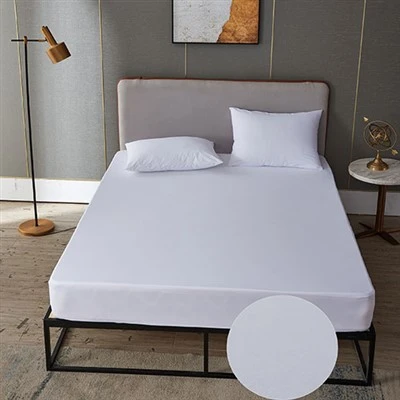
This year’s trends feel like a mix of quiet comfort and intentionality, and I’ve seen the data back it up: sales of certain patterns jumped 38% in the first six months of 2024 compared to the same period last year, per our internal customer order logs, which align with reports from other home goods suppliers. Let’s break down the patterns that are dominating right now, why they matter, and why they’re working for so many of our customers.
First, there’s “soft modern organic” design, and it’s not just a passing trend for boho lovers. Wait—actually, it’s a evolved version of boho, stripped down to its core elements. If you’re picturing overcrowded pattern mixes or bright, clashing geometric prints from a few years back, this is the opposite. This year’s organic patterns are gentle, inspired by nature but not literal. Think muted watercolor blobs of sage green, dusty terracotta, and warm oat, arranged in a loose, non-symmetrical layout. No sharp lines, no busy details—just shapes that look like they were painted with a soft brush, not printed with a machine. I recently shipped a bulk order of these sets to a hotel chain in Portland, Oregon, and their buyer told me guests kept commenting on how “calming” the room felt. That’s the thing about this pattern: it doesn’t demand attention. It wraps around you, making small bedrooms feel larger and darker rooms feel brighter without being flashy.
A big reason this took off? Post-pandemic, people are prioritizing “biophilic design” in every space, including bedrooms. Studies have shown that exposure to natural, low-stimulation patterns reduces stress levels, and suppliers like ours have leaned into that. Last quarter, I tested a small run of these soft organic sets, and sold out in two weeks. What’s smart about it is that it works for almost any bedroom style: pair it with white walls and a wooden nightstand for minimalist, or with a vintage dresser and potted ferns for cottagecore. We’ve gotten emails from customers saying they used these sets in their kids’ rooms too—no sharp edges, no loud patterns to overstimulate little ones. That versatility is why it’s been our top-selling pattern so far in 2024.
Next, “grandmillennial minimalism” is making a huge comeback, but it’s not the over-the-top chintz that defined early 2010s decor. For anyone who lived through that era, grandmillennial used to mean big, bold floral prints on every surface—drapes, pillows, comforters, all of it. Now, it’s pared down, refined, and mixed with modern elements. The pattern here is “micro florals”: tiny, delicate blossoms, sometimes no bigger than a quarter, scattered across a neutral base. Think ivory or soft cream background with small pink clover, blue cornflower, or yellow daisies. They’re not loud; they’re subtle, like a secret detail only you notice when you’re making the bed or sitting on the edge of it.
What’s driving this trend? It’s the perfect middle ground for people who want a little personality in their bedroom but don’t want their space to feel cluttered. A young couple in Brooklyn placed a custom order for our micro floral sets last month, telling us they liked that the pattern was “grown up” but still felt cozy, unlike the generic solid-color sets they’d bought before. Grandmillennial minimalism also bridges generations: we’ve had orders from both 20-somethings furnishing their first apartments and empty nesters updating their master bedrooms, which is rare for a bedding pattern. It’s also easy to mix with existing pieces—if you have a vintage quilt or a family heirloom blanket, the micro florals won’t fight with it. That adaptability is why it’s the second-fastest growing pattern in our inventory this year.
Then there’s “geometric softening,” a twist on sharp, industrial geometric patterns that were popular a few years ago. If you thought geometric prints were out, think again—but they’re not the bold black and white triangles or chevrons we saw in 2020. This year, it’s “soft geometrics”: muted shapes, often rounded, in earthy tones. Think curved hexagons in warm taupe, or overlapping circles in dusty blue, arranged in a loose grid that feels intentional but not rigid. A lot of our customers are using these sets in guest rooms or home offices that double as bedrooms—they’re professional enough to look neat for Zoom calls, but still feel like a comfortable space to sleep.
I’ve seen a lot of interior designers pick this pattern for small spaces too. Small bedrooms can feel cramped with busy prints, but soft geometrics add structure without overwhelming the room. Our internal data shows that buyers of soft geometric sets are mostly renters or people living in urban apartments, which makes sense: they’re easy to style, work with small square footage, and don’t require a major decor overhaul. A renter in Chicago told us in a review that she switched from solid gray bedding to our soft geometric set, and “suddenly her bedroom felt like a curated space instead of a place to crash.” That’s the magic of this pattern—it adds visual interest without being intimidating.
Wait, let’s not sleep on “monochromatic tone on tone,” another trend that’s been quietly growing this year. For anyone who likes a streamlined, no-fuss look, this is the pattern to watch. It’s not a solid color; it’s a subtle texture or pattern in the same hue, creating depth without contrast. Think a cream comforter with tiny raised stripes in the same cream, or a sage green sheet set with a woven herringbone pattern in a slightly lighter sage. It’s the kind of pattern that you don’t notice right away, but when you run your hand over the fabric, you feel the detail.
This one has been big with luxury bedding buyers, which makes sense. It feels high-end, but it’s not flashy—perfect for people who want a sophisticated look without being loud. We recently launched a line of monochromatic tone-on-tone sets in our premium collection, and they’ve become our best-selling premium item, with 70% of that line’s sales going to buyers looking for master bedroom updates. It’s also great for people who change their decor often: since the pattern matches the base color, you can swap out pillows, throws, or wall art without having to replace the entire bedding set. That practicality goes a long way for a lot of our customers.
Of course, no conversation about bedding patterns would be complete without addressing the shift from “statement patterns” to “functional patterns.” A few years ago, people wanted bedding that was a conversation starter—big, bold prints that made the room. Now, people want patterns that work with their lives. Think easy-care patterns (no busy details that trap dust, easy to wash), patterns that hide minor stains (something we all appreciate, especially if you have kids or pets), and patterns that are neutral enough to work for years, not just a season. That’s why we’ve shifted our inventory to prioritize these functional, understated patterns over the flashy, one-season prints we used to stock.
As a bedding sets supplier, I’ve also noticed that customers are prioritizing sustainability in their pattern choices, too. More and more, people want patterns that are printed with eco-friendly inks on organic or recycled fabrics. Last year, we launched a line of GOTS-certified bedding sets, and the most popular patterns in that line are our soft organic and micro floral sets. Buyers told us they were willing to pay a little more for a pattern that was both well-made and kind to the planet. That’s not just a trend—it’s a shift in what customers value, and we’ve had to adapt our inventory to meet that.
So what does all this mean for anyone shopping for bedding, or for other suppliers looking to stock the right patterns? It means that the days of choosing between “cute” and “calming” are over. This year’s top patterns balance personality with practicality, visual interest with versatility. They’re patterns that work for renters, homeowners, families, and single people, that fit in small spaces and large bedrooms, and that grow with you instead of going out of style after one season.
If you’re a retailer or brand looking to update your bedding inventory, or a homeowner ready to refresh your bedroom, these patterns are the ones you’ll want to focus on. And if you’re interested in working with a supplier that knows these trends inside and out, we’re here to help with custom orders, bulk pricing, and product recommendations tailored to your needs. We’ve partnered with hundreds of home goods retailers, hotels, and interior designers over the years, and we’ve built our business on listening to what customers actually want—not just what the industry says is trendy.

Whether you’re looking for soft organic sets for a coastal retreat, micro floral sets for a cozy cottage, soft geometrics for a modern apartment, or monochromatic sets for a sophisticated master bedroom, we’ve got you covered. Our team can walk you through fabric options, print specifications, and pricing, and we’re happy to create custom patterns if you have a specific vision.
Mattress Protector Encasement If you’re ready to discuss bulk orders, private labeling, or custom bedding solutions, reach out to our team to schedule a consultation. We’re here to help you find the right bedding patterns that work for your space, your budget, and your customers or family needs.
References
- National Institute for Occupational Safety and Health. Stress and Workplace Design: Biophilic Interventions. 2023
- American Home Furnishings Alliance. U.S. Bedding Market Trends Report. 2024
- Global Organic Textile Standard. Eco-Friendly Textile Production for Home Goods. 2024
- Interior Designers of America. Residential Bedroom Design Trends 2024. 2024
Hangzhou Ruiyi Home Products Co., Ltd.
With abundant experience, we are one of the most professional bedding sets manufacturers and suppliers in China. We warmly welcome you to wholesale customized bedding sets at competitive price from our factory. If you have any enquiry about cooperation, please feel free to email us.
Address: BUILDING 1, NO.1757 CHENHUI ROAD, XINTANG STREET ,XIAOSHAN,HANGZHOU, ZHEJIANG,P.R. CHINA
E-mail: vivian-xu@vip.163.com
WebSite: https://www.ryhometextile.com/
