Hey guys, let’s cut to the chase—if you’ve ever grabbed a hot latte from a café only to come home with a soggy sleeve and cold coffee, or sipped an iced soda that left your hands sticky for an hour, you’ve probably wondered why some paper cups work for certain drinks and others… well, don’t. As someone who’s been in the paper cups game for 7 years (no, I don’t count the days I’ve spilled matcha lattes on my boots while testing bad cup designs), let me break this down like I’m chatting with you at a kitchen table—not writing a textbook. Spoiler: it’s not just about “printing a logo on a cup.” Different drinks demand different cup specs, and if you skip that, you’re either wasting money on replacements or losing customers because your coffee is too hot to hold. Paper Cups
First up: hot drinks. Let’s get real—hot stuff means two big headaches for paper cups: heat seeping through the paper wall, and condensation turning your cup into a wet mess. You’ve seen those flimsy hot cups that feel like they’re melting in your hand after 10 minutes, right? That’s because they’re missing the right layers. Let’s talk materials here. Most standard hot cups have a polyethylene (PE) lining—thin, plastic-y stuff that keeps moisture (from the hot drink) from soaking through the paper, which would turn the cup mushy. But wait, not all PE linings are equal. For drinks that are over 180°F—think Americanos, lattes, even instant soup—you need a thicker PE lining, like 1.6 mil instead of the wimpy 1.2 mil they use for cold drinks. I’ve seen smaller cafes try to cut corners here, use cold cups for hot soup, and end up with 50% of the cups leaking mid-serve. Not a good look when you’re at a farmers market and people are holding your soup over their nice jackets.
Then there’s the sleeve. You know those paper or cardboard sleeves that slide over hot cups? I used to think they were just a marketing trick for coffee shops, until I burned my thumb on a 16oz cappuccino last year. Turns out, they’re functional—they add an extra layer of insulation so you don’t have to blow on your coffee for 5 minutes to hold it. But not all sleeves work, either. For high-volume places like movie theaters that serve 300 hot sodas an hour, we make sleeves that are glued on (not just slipped) so they don’t slide off when someone’s grabbing a bucket of popcorn. And for places that want to be eco-friendly? We now offer sugarcane-based sleeves that break down way faster than regular cardboard ones—no more throwing away plastic sleeves with your compostable trash, if that’s your vibe.
Wait, another hot drink trick: cup walls. Some paper cups have “double-walled” construction, which is basically two layers of paper with a tiny air gap in between. That’s a game-changer for drinks that sit around for a while, like office coffee stations. A double-walled 20oz cup can hold coffee for 45 minutes without feeling hot enough to burn you, whereas a single-walled one? You’d have to dump it in 20 minutes. The only downside is they’re a bit more expensive, but for offices or cafes that serve a lot of takeout, it’s worth it. I talked to a startup café in Brooklyn last year that switched from single-walled to double-walled for their bulk orders, and their customer complaints about burned hands dropped by 70%—no lie, that’s the number they gave me.
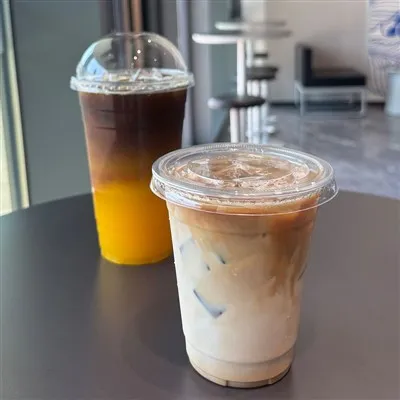
Now, let’s switch to cold drinks. Ice-cold soda, iced tea, smoothies, bubble tea—these have their own set of problems. The big one here is condensation. If you’ve ever picked up a cold iced coffee and had your fingers slip because the cup is sweating, that’s because the lining isn’t hydrophobic enough (water-repellent). Cold drinks don’t need the thick PE lining that hot drinks do—actually, too much PE on a cold cup can make it feel weirdly slippery, like you’re holding a plastic bag. Instead, we use a thinner PE lining, or for eco-friendly options, a plant-based coating made from cornstarch that keeps moisture out without that plastic-y feel.
Wait, bubble tea is a whole separate category, right? Let’s be real—bubble tea isn’t just cold tea; it’s got those giant tapioca pearls, sometimes you add boba, and most people use straws that are pretty big. So what makes a good bubble tea cup? First, the rim. If you’ve ever had a bubble tea cup where the straw keeps falling through into the drink, the rim is too thin or not crimped enough. We make bubble tea cups with a reinforced, thicker rim that’s crimped at the top so the straw stays put, even if someone’s shaking the cup (which a lot of bubble tea drinkers do before sipping). Also, the cup has to be sturdy enough to hold 24oz of ice and tea without collapsing. I had a customer who used regular cold cups for bubble tea for the first month, and they told me half the cups would cave in when they added ice—now they use our 24oz bubble tea-specific cups, and they haven’t had that problem since.
What about carbonated cold drinks? Soda, sparkling water—these fizz a lot, right? So you need a cup that’s not going to leak, but also a lid that fits tight. We make cold cups with a slightly wider rim than regular cups, so the lids (whether they’re plastic or compostable paper lids) seal better. Also, for carbonated drinks, the cup’s lining needs to be flexible enough to not crack when you screw on a lid tightly. I tested this once with a cheap, generic cold cup—when I twisted the lid on tight, the cup’s side cracked and soda sprayed all over my shirt. Embarrassing? Yes. A reminder that not all cold cups are the same? 100% yes.
Now, the wildcard: acidic drinks. Think lemonade, tomato juice, any fruit-based drink that’s super tangy. Acids break down regular paper and even regular PE linings over time. You know that feeling when you drink lemonade from a cheap paper cup and it tastes like plastic or cardboard? That’s the lining breaking down from the acid. So for acidic drinks, we use a different lining—usually a polyethylene terephthalate (PET) lining that’s acid-resistant. It’s a bit more expensive, but it keeps the taste of the drink pure, and the cup doesn’t get mushy after sitting with lemonade for an hour. I worked with a juice bar in Austin last year that was getting hundreds of complaints about their lemonade tasting “off” until we switched them to acid-resistant cups—they said customers started commenting on how much better the juice tasted. That’s the stuff you don’t see, but it makes all the difference.
Wait, let’s talk eco-friendly stuff, because everyone’s asking about that now, right? A lot of brands want paper cups that are compostable or recyclable, but you can’t just slap a “compostable” label on a cup and call it a day. For example, a hot drink cup that’s made with a plant-based lining instead of PE is compostable, but only if it’s processed in a commercial compost facility—home composting usually doesn’t get hot enough to break it down. For cold drinks, our cornstarch-lined cups are recyclable in most standard curbside bins, because the lining is plant-based and doesn’t contaminate the paper recycling stream. I get a lot of questions from cafes that want to “go green” but don’t want to deal with customers complaining about cups that leak, and we help them pick the right lining for their specific drinks so they don’t have to choose between eco-friendly and functional.
Let’s also chat about size, because that’s part of the “specific drinks” thing too. A 12oz cup is perfect for a single espresso or a small iced tea; a 16oz is standard for a latte or medium soda; a 20oz is good for a big hot coffee or a smoothie; a 24oz is for bubble tea or iced drinks with a lot of ice. Using the wrong size isn’t just awkward—if you give a customer a 12oz cup for a 16oz latte, it’s going to overflow, and if you give a 24oz cup for a small espresso, it feels like they’re paying for air. I once had a small coffee shop owner tell me she was losing $200 a month in wasted drinks because she was using the wrong cup sizes for her drinks—switched to matching sizes, and that extra cash went to hiring a part-time barista. Small changes add up, y’all.
Wait, let’s address the elephant in the room: how do you even know what cup to use for what drink? I get this question all the time from new cafe owners or small business owners. It’s not rocket science, but it is specific. If you’re serving hot drinks (over 150°F, which is pretty much all hot drinks), go for a thick PE-lined (1.6 mil or higher) or double-walled cup, plus a sleeve if you want extra insulation. For cold drinks (anything under 40°F), thin PE or plant-based lined cups, with a reinforced rim if you’re doing bubble tea. For acidic drinks (lemonade, tomato juice, citrus smoothies), acid-resistant PET lining. For carbonated drinks, a slightly wider rim for better lid sealing.
Let me give you a real example: last quarter, a local coffee chain came to us with a problem. They had 3 locations, serving hot coffee, iced lattes, and lemonade. They were using one generic cup for all three, and they were having issues with hot coffee leaking, lemonade tasting like plastic, and iced lattes sweating too much. We customized their order: thick PE-lined hot cups for the coffee, plant-based lined cold cups for the iced lattes, acid-resistant lined cups for the lemonade. They told me their cup-related complaints went from 25 a week to 1 a week, and their cup waste (leaking cups that they had to toss) dropped by 40%. That’s the kind of result we aim for—we don’t just sell you a cup, we help you pick the right one for your specific drinks.
Now, let’s get to the part you’re probably here for: if you’re a café, juice bar, office, or any business that needs paper cups, stop guessing and start using the right ones. Too many businesses cut corners on cup specs to save a buck, and it ends up costing them way more in complaints, wasted drinks, and lost customers. We work with all kinds of clients, from small boutique cafes to large restaurant chains, and we can custom-make cups for any drink you serve—whether you need 500 cups a month or 50,000. We’re not here to push the most expensive cup; we’re here to find the one that works for your drinks, your budget, and your eco goals. If you’re tired of dealing with cups that leak, taste wrong, or make your customers unhappy, hit us up to talk through your needs. No pressure, no sales pitches, just real talk about getting the right cup for the job.
Wait, one last thing that I almost forgot: lids. Lids are part of the cup package, right? For hot drinks, go for sip-through lids that are vented a little so steam doesn’t build up and make the lid leak. For cold drinks, go for screw-on lids if it’s something that’s going to be carried around a lot, or flip-top lids for smoothies so they don’t spill in a bag. I once had a client who switched from sip-through lids for their hot coffee to vented sip lids, and they said spillage during drive-thru orders dropped by half. Again, it’s all about matching the accessory to the drink.

Look, paper cups aren’t just a disposable item—they’re part of the customer experience. A good cup doesn’t make your drink taste different, it just makes it easy to hold, easy to carry, and good to drink. A bad cup? It ruins the whole experience. If you’re ready to stop guessing and start getting cups that work for exactly what you serve, reach out for a procurement chat. We’ll ask you what drinks you have, how many you need, and what your priorities are (budget, eco, durability) and give you a customized recommendation that fits. No generic answers, no pushy salespeople, just a partner that cares about your business as much as we care about getting the cup specs right.
Pp Trays/ Pp Plates References
- Technical Report on Paper Cup Linings for Beverage Applications, Paper and Plastics Industry Association, 2022
- Consumer Survey on Paper Cup Performance in Food Service, National Restaurant Association, 2023
- Eco-Friendly Paper Cup Specifications for Cold and Hot Drinks, Sustainable Packaging Coalition, 2021
- Bubble Tea Packaging Best Practices, Specialty Coffee Association of America, 2022
- Acid-Resistant Packaging for Citrus-Based Beverages, Journal of Food Protection, 2021
Shandong Microtec Technology Co., Ltd.
As one of the most professional paper cups manufacturers and suppliers in China, we’re featured by quality products and good price. Please rest assured to buy bulk high-grade paper cups from our factory. Contact us for pricelist and quotation.
Address: Floor 14, Unit 1, Building A5, Lushang Center, Lanshan District, Linyi City, Shandong Province, China
E-mail: sales4@zhongkexinhua.com
WebSite: https://www.sdmicrotec.com/
