In the dynamic landscape of industrial operations, the selection of appropriate cables is a critical decision that significantly impacts the efficiency, reliability, and safety of various systems. As a dedicated supplier of compensating cables, I am often asked whether these cables are suitable for industrial applications. In this blog, I will delve into the characteristics, advantages, and potential limitations of compensating cables, and explore their suitability for a wide range of industrial settings. Compensating Cables
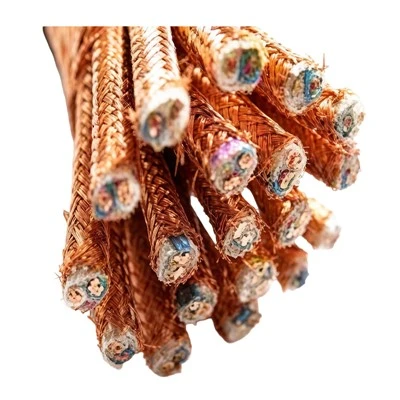
Understanding Compensating Cables
Compensating cables are specifically designed to transmit thermoelectric potentials from thermocouples to measuring and control devices with minimal error. They are constructed using materials that closely match the thermoelectric properties of the thermocouples they are intended to work with. This ensures that the temperature – related electrical signals generated by the thermocouples are accurately transmitted over a distance, compensating for the effects of temperature variations along the cable length.
The core of a compensating cable typically consists of two different conductors, similar to those used in thermocouples. The insulation and sheath materials are carefully selected to provide protection against environmental factors such as heat, moisture, chemicals, and mechanical stress. Depending on the application requirements, compensating cables can be available in various configurations, including single – pair, multi – pair, shielded, and unshielded designs.
Advantages of Compensating Cables in Industrial Applications
1. Accurate Temperature Measurement
One of the primary advantages of compensating cables in industrial applications is their ability to maintain the accuracy of temperature measurements. In industrial processes where precise temperature control is crucial, such as in chemical manufacturing, metal processing, and power generation, even a small error in temperature measurement can lead to significant product quality issues or operational inefficiencies. Compensating cables minimize the signal distortion caused by temperature gradients along the cable, ensuring that the temperature readings at the control end are as close as possible to the actual temperatures at the thermocouple location.
2. Compatibility with Thermocouples
Compensating cables are engineered to be fully compatible with specific types of thermocouples. For example, Type K compensating cables are designed to work with Type K thermocouples, which are widely used in industrial temperature measurement due to their wide temperature range and relatively low cost. This compatibility ensures that the electrical characteristics of the cable and the thermocouple are well – matched, reducing the potential for measurement errors caused by mismatched materials.
3. Resistance to Environmental Factors
Industrial environments are often harsh, with high temperatures, exposure to chemicals, and mechanical stresses. Compensating cables are built to withstand these conditions. They are available with insulation and sheath materials that offer excellent heat resistance, chemical resistance, and abrasion resistance. For instance, cables with a PTFE (Polytetrafluoroethylene) insulation can operate at high temperatures for extended periods without significant degradation, while cables with a PVC (Polyvinyl Chloride) sheath provide good protection against moisture and some chemicals.
4. Flexibility and Ease of Installation
Compensating cables are designed to be flexible, which makes them easy to install in complex industrial layouts. They can be bent, routed around obstacles, and installed in tight spaces without compromising their performance. This flexibility reduces the installation time and cost, as well as the potential for damage during the installation process.
Applications of Compensating Cables in Industry
1. Chemical Industry
In the chemical industry, precise temperature control is essential for ensuring the safety and efficiency of chemical reactions. Compensating cables are used to connect thermocouples to temperature controllers in reactors, distillation columns, and other process equipment. By accurately transmitting temperature signals, these cables help to maintain optimal reaction conditions, preventing over – or under – heating, which can lead to product quality issues or even safety hazards.
2. Metal Processing
Metal processing operations, such as forging, casting, and heat treatment, require accurate temperature measurement to control the mechanical properties of the metals. Compensating cables are used to monitor the temperature of furnaces, molten metal, and workpieces. They ensure that the heat treatment processes are carried out at the correct temperatures, resulting in high – quality metal products with consistent properties.
3. Power Generation
In power generation plants, whether they are fossil – fuel – fired, nuclear, or renewable energy – based, temperature monitoring is crucial for the safe and efficient operation of equipment. Compensating cables are used to connect thermocouples to control systems in boilers, turbines, and generators. They help to detect any abnormal temperature changes, allowing operators to take timely action to prevent equipment failures and ensure the reliability of the power supply.
4. Food and Beverage Industry
In the food and beverage industry, maintaining the correct temperature during processing, storage, and transportation is essential for food safety and quality. Compensating cables are used to monitor the temperature in ovens, refrigerators, and pasteurization equipment. They provide accurate temperature data, which is necessary for compliance with food safety regulations and for producing high – quality products.
Potential Limitations of Compensating Cables
While compensating cables offer many advantages, they also have some potential limitations that need to be considered in industrial applications.
1. Cost
Compared to standard electrical cables, compensating cables can be relatively expensive. This is due to the use of specialized materials and the precise manufacturing processes required to ensure their thermoelectric compatibility with thermocouples. In some cost – sensitive industrial projects, the higher cost of compensating cables may be a deterrent.
2. Limited Temperature Range
Although compensating cables are designed to work within a certain temperature range, this range is not unlimited. In extremely high – temperature or low – temperature environments, the performance of the cables may be affected. For example, at very high temperatures, the insulation materials may start to degrade, leading to signal leakage and measurement errors. In very low – temperature conditions, the cables may become brittle and more prone to mechanical damage.
3. Signal Interference
In industrial environments with high levels of electromagnetic interference (EMI), such as near large motors or power transformers, compensating cables may be susceptible to signal interference. While shielded compensating cables can help to reduce the effects of EMI, they may not be completely immune. In some cases, additional measures may be required to ensure the integrity of the temperature signals.
Mitigating the Limitations
To overcome the limitations of compensating cables, several strategies can be employed.
1. Cost – Effective Solutions
In some cases, it may be possible to find cost – effective alternatives to traditional compensating cables. For example, some manufacturers offer economy – grade compensating cables that provide a good balance between cost and performance. Additionally, careful planning and design of the cable routing can help to reduce the overall cable length required, which can also lower the cost.
2. Selecting the Right Cable for the Temperature Range
When choosing compensating cables for industrial applications, it is essential to select cables that are suitable for the specific temperature range of the environment. Manufacturers typically provide detailed specifications on the temperature limits of their cables. By choosing cables with a temperature rating that exceeds the expected operating temperature, the risk of performance degradation can be minimized.
3. Addressing Signal Interference
To mitigate the effects of signal interference, shielded compensating cables should be used in environments with high EMI. Additionally, proper grounding of the cable shields and the use of signal filters can further reduce the impact of interference. In some cases, it may also be necessary to physically separate the compensating cables from sources of EMI.
Conclusion
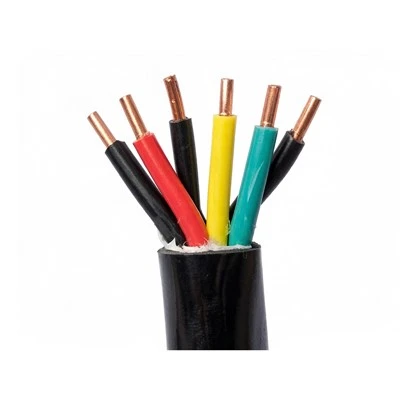
In conclusion, compensating cables are highly suitable for a wide range of industrial applications. Their ability to provide accurate temperature measurement, compatibility with thermocouples, resistance to environmental factors, and flexibility make them an essential component in industrial temperature monitoring and control systems. While they do have some potential limitations, these can be effectively managed through careful selection, installation, and maintenance.
High-temperature Cables If you are involved in an industrial project that requires temperature measurement and control, I encourage you to consider using compensating cables. As a supplier of high – quality compensating cables, I am committed to providing you with the best products and technical support. Whether you need help in selecting the right cable for your application or have any questions about our products, please feel free to contact us for a procurement discussion. We look forward to working with you to ensure the success of your industrial operations.
References
- [1] "Industrial Temperature Measurement Handbook", published by an industry – leading publisher.
- [2] Technical bulletins from cable manufacturers on the properties and applications of compensating cables.
- [3] Research papers on the impact of cable characteristics on temperature measurement accuracy in industrial settings.
Anhui Yuantong Cable Co., Ltd.
As one of the most professional compensating cables manufacturers and suppliers in China, we offer a wide range of cables with superior quality. Please feel free to wholesale bulk customized compensating cables from our factory. Also, pricelist is available.
Address: Yongfeng Industrial Park, Tianchang City, Anhui Province
E-mail: ahytcable@126.com
WebSite: https://www.yuantongcable.net/
