As a seasoned supplier of pipe elbows, I’ve witnessed firsthand the crucial role these components play in a wide range of industries. From chemical plants to water treatment facilities, the proper functioning of pipe systems hinges on the quality and performance of pipe elbows. One of the most critical characteristics of a pipe elbow is its impact resistance, which can significantly affect the longevity, safety, and efficiency of a piping system. In this blog post, I’ll delve into the intricacies of impact resistance in pipe elbows, exploring what it means, why it matters, and how we, as a supplier, ensure the high – impact resistance of our products. Pipe Elbow
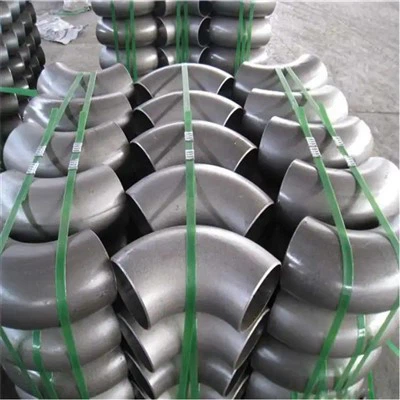
Understanding Impact Resistance
Impact resistance refers to a material’s ability to withstand sudden and forceful impacts without fracturing, cracking, or deforming beyond acceptable limits. In the context of pipe elbows, impact resistance is paramount. These components are often part of complex piping networks where they can be subjected to various hazards. For example, during the installation process, pipe elbows may accidentally drop or get hit by tools. In an operational setting, they might face the impact of solid particles carried by the fluid flowing through the pipes, or they could be exposed to external shocks in case of seismic activity or machinery vibrations.
The impact resistance of a pipe elbow is determined by several factors, primarily the material from which it is made. Different materials have different inherent properties that affect their ability to absorb and disperse impact energy. For instance, carbon steel is a popular choice for many industrial applications due to its relatively high strength and good impact resistance at moderate temperatures. Stainless steel, on the other hand, offers excellent corrosion resistance in addition to decent impact – resistant qualities, making it suitable for environments where both corrosion and impact might be concerns.
Plastic materials also play a significant role in pipe elbow manufacturing. Polyvinyl chloride (PVC) elbows are commonly used in low – pressure applications, such as drainage systems. While PVC has lower impact resistance compared to metals, it can still meet the requirements of many less – demanding situations. Polyethylene (PE) elbows are known for their flexibility and good impact resistance, especially at low temperatures, which makes them suitable for applications like underground water pipelines.
Why Impact Resistance Matters
The importance of impact resistance in pipe elbows cannot be overstated. A pipe elbow with inadequate impact resistance can lead to a variety of problems that can disrupt operations and cause substantial financial losses.
Firstly, from a safety perspective, a broken or severely deformed pipe elbow can result in leaks. In industries dealing with hazardous chemicals or high – pressure fluids, these leaks can pose a significant risk to workers’ health and the environment. For example, in a chemical refinery, a leak of toxic gases can lead to serious health problems for employees and cause environmental pollution.
Secondly, from an operational efficiency standpoint, a damaged pipe elbow can impede the flow of fluids through the system. This can lead to reduced pressure, decreased flow rates, and increased energy consumption to maintain the desired flow. In a water distribution system, a decrease in flow can result in inadequate water supply to consumers, affecting the daily lives of many people.
Moreover, the cost of repairing or replacing damaged pipe elbows can be substantial. In addition to the cost of the new elbow itself, there are the labor costs associated with the repair work, as well as the cost of any downtime incurred during the repair process. A high – impact – resistant pipe elbow can reduce the frequency of such incidents, leading to long – term cost savings for the end – user.
Ensuring High Impact Resistance in Our Pipe Elbows
As a pipe elbow supplier, we are committed to providing our customers with products that meet or exceed industry standards for impact resistance. We take a multi – pronged approach to ensure the quality of our pipe elbows.
Material Selection
The first step in ensuring high impact resistance is careful material selection. We work closely with our material suppliers to source high – quality raw materials. For metal pipe elbows, we conduct strict quality inspections to ensure that the chemical composition and mechanical properties of the steel meet the required specifications. For plastic pipe elbows, we select polymers with the best combination of impact resistance, durability, and chemical resistance for the specific application.
Manufacturing Processes
Our manufacturing processes are designed to optimize the impact resistance of our pipe elbows. In the case of metal elbows, we use advanced forging and machining techniques. Forging helps to align the grain structure of the metal, which improves its strength and toughness. Precision machining ensures that the wall thickness of the elbow is uniform, reducing weak points that could be susceptible to impact damage.
For plastic pipe elbows, we use extrusion and injection molding processes that are carefully controlled to ensure consistent quality. During the manufacturing process, we adjust parameters such as temperature, pressure, and cooling rate to achieve the desired molecular structure and properties of the plastic.
Quality Control
Quality control is an integral part of our production process. We perform a series of tests on our pipe elbows to evaluate their impact resistance. One of the most common tests is the Charpy impact test, which measures the energy absorbed by a specimen when it is struck by a pendulum. We also conduct drop tests, where the pipe elbows are dropped from a specified height onto a hard surface to simulate real – world impact scenarios. Only pipe elbows that pass these tests are approved for shipment to our customers.
Application – Specific Considerations
Different applications have different requirements when it comes to impact resistance. For example, in offshore oil and gas platforms, pipe elbows are exposed to harsh environmental conditions, including high winds, waves, and the potential for impact from floating objects. In such cases, we recommend using high – strength steel pipe elbows with additional protective coatings to enhance their impact resistance and corrosion protection.
In building plumbing systems, the main concern might be the impact that could occur during construction or maintenance. Here, PVC or copper pipe elbows are often used, depending on the specific requirements. PVC elbows are lightweight and easy to install, while copper elbows offer good impact resistance and durability in a domestic environment.
In the food and beverage industry, where hygiene is of utmost importance, pipe elbows made of stainless steel are preferred. These elbows need to have good impact resistance to withstand normal wear and tear during cleaning and operation, while also maintaining a smooth surface finish to prevent the growth of bacteria.
Conclusion
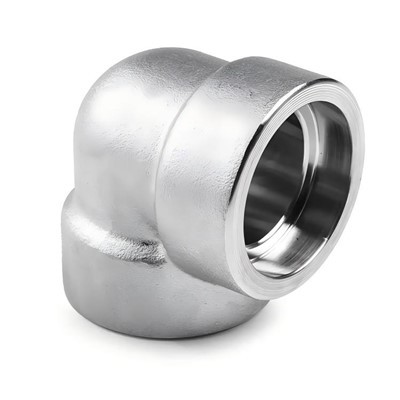
In conclusion, impact resistance is a critical property of pipe elbows that can have far – reaching implications for the safety, efficiency, and cost – effectiveness of piping systems. As a pipe elbow supplier, we understand the importance of providing high – quality products that can withstand the rigors of various applications. We are dedicated to using the best materials, advanced manufacturing processes, and strict quality control measures to ensure that our pipe elbows offer superior impact resistance.
BS Flanges If you are in the market for pipe elbows and are concerned about impact resistance, we’d love to have a conversation with you. Our team of experts can help you select the right pipe elbows for your specific needs, taking into account factors such as the type of fluid, operating conditions, and budget. Contact us to start a discussion about your pipe elbow requirements and let’s work together to find the best solutions for your piping systems.
References
- ASME B16.9 – Factory – Made Wrought Buttwelding Fittings
- ASTM A234/A234M – Standard Specification for Piping Fittings of Wrought Carbon Steel and Alloy Steel for Moderate and High – Temperature Service
- ISO 4422 – Fluid transfer systems in building construction – Pipes, fittings and valves made of unplasticized poly(vinyl chloride) (PVC – U) for soil and waste discharge (low and high temperature)
- BS EN 10253 – Welded and seamless butt – welding fittings
Hebei Haihao Group Huadian High Pressure Pipe Fittings Co., Ltd.
As one of the most professional pipe elbow manufacturers and suppliers in China, we are able to meet the needs of the majority of our customers. Please rest assured to wholesale high quality pipe elbow made in China here from our factory. For price consultation, contact us.
Address: Donglin Industrial Zone, Mengcun County, Cangzhou City, Hebei Province, China
E-mail: haihaohuadian@outlook.com
WebSite: https://www.hhfittings.com/
