Hey there! I’m a supplier of PV fuses, and today I wanna chat about the connection methods of PV fuses. You know, PV fuses play a super crucial role in photovoltaic (PV) systems. They’re like the bodyguards, protecting the whole system from over – current situations and potential short – circuits. PV Fuse
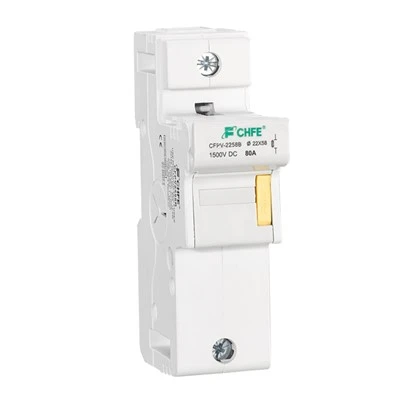
First off, let’s talk about the basic connection principles. In a PV system, the main goal of connecting a PV fuse is to ensure that it can effectively break the circuit when an abnormal current occurs. This helps prevent damage to other components in the PV array, like solar panels, inverters, and charge controllers.
One of the most common connection methods is the series connection. When we connect a PV fuse in series, it means the current flowing through the circuit has to pass through the fuse. Think of it as a bottleneck in the current’s path. If the current exceeds the rated current of the fuse, the fuse element will melt, and the circuit will be broken.
Why series connection? Well, it’s simple. It allows the fuse to directly monitor and control the current in the circuit. In a PV array, we usually connect PV fuses in series with each solar panel or a group of solar panels. This way, if there’s a problem with a single panel or a small group, the fuse can quickly cut off the current and prevent further issues.
Let’s say we have a PV system with multiple solar panels connected in parallel. Each panel might have a different output current, and there could be a risk of a short – circuit between panels. By connecting a PV fuse in series with each panel, we can protect the whole system from that kind of scenario. Even if one panel experiences a short – circuit, the corresponding fuse will blow, and the other panels can continue to operate normally.
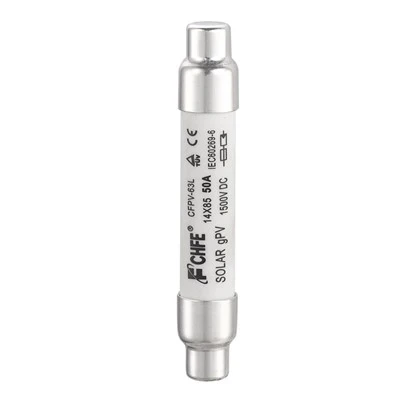
Another important aspect of series connection is the selection of the right fuse rating. The rated current of the fuse should be carefully chosen based on the maximum current that the connected PV panel or group of panels can produce under normal conditions. If the rated current is too low, the fuse might blow even during normal operation, causing unnecessary downtime. On the other hand, if the rated current is too high, the fuse might not blow when there’s a real over – current situation, which defeats the purpose of having a fuse in the first place.
Now, when it comes to physically connecting the PV fuse, there are a few key points to keep in mind. The connections should be tight and secure. A loose connection can lead to increased resistance, which in turn can cause overheating and potentially damage the fuse or other components. Also, it’s important to use the right type of terminals and connectors that are compatible with the PV fuse.
We often use blade – type fuses in PV systems, and they come with specific terminals. These terminals are designed to make a good electrical and mechanical connection with the fuse. When installing the fuse, make sure to align it properly with the terminals and then tighten the screws or clips. This will ensure a reliable connection.
In addition to series connection, there are also some cases where we might use a combination of series and parallel connections. For example, in a large – scale PV plant, we might have multiple strings of solar panels connected in parallel, and each string has a series – connected PV fuse. This kind of setup can provide more comprehensive protection for the whole system.
When connecting the fuses in these complex setups, we need to pay extra attention to the electrical layout and the overall system design. We have to make sure that the current distribution is balanced among different strings and that the fuses can operate effectively in different conditions.
Another important consideration is the environmental factors. PV fuses are usually installed outdoors, and they have to withstand various weather conditions, such as high temperatures, humidity, and UV radiation. When choosing the connection method and the materials for connecting the fuses, we need to take these environmental factors into account. For example, we should use corrosion – resistant terminals and wires to ensure the long – term stability of the connections.
Also, the proper installation of PV fuses can make maintenance and replacement much easier. If the fuses are connected in a well – organized way, it’s easier for technicians to access and replace them when needed. This can reduce the downtime of the PV system and save on maintenance costs.
So, as a PV fuse supplier, I’ve seen a lot of different PV systems and connection methods over the years. And I can tell you that getting the connection method right is super important. It not only ensures the safety and reliability of the PV system but also helps in optimizing its performance.
If you’re involved in the PV industry, whether you’re an installer, a system designer, or an owner of a PV plant, choosing the right PV fuse and connecting it properly is crucial. And that’s where we come in. We offer a wide range of high – quality PV fuses that are designed to meet the needs of different PV systems. Our fuses are tested and certified to ensure their performance and reliability.
If you’re interested in learning more about our PV fuses or have any questions about the connection methods, feel free to reach out to us. We’re always here to help you with your PV fuse needs. Whether you need advice on choosing the right fuse rating or want to know more about the best connection practices, our team of experts is ready to assist you.
In conclusion, the connection method of a PV fuse is a key factor in the safety and performance of a PV system. By understanding the series and parallel connection principles, choosing the right fuse rating, and paying attention to the physical and environmental aspects of the connection, you can ensure that your PV system operates smoothly and efficiently. Don’t hesitate to contact us for all your PV fuse requirements. We’re looking forward to working with you!
High Speed Fuses References:
- "Photovoltaic Systems Design and Installation Handbook"
- Technical documentation from industry – leading PV component manufacturers
Zhejiang Chifeng Electric Co., Ltd.
As one of the most professional pv fuse manufacturers and suppliers in China since 1988, we have world-leading production equipment and strong manufacturing capabilities. Please feel free to buy advanced pv fuse at competitive price from our factory.
Address: No. 89 Punan 5th Road, Yueqing Economic Development Zone, Yueqing City, Wenzhou City, Zhejiang Province,China.
E-mail: Cyrus@wzcfdq.com
WebSite: https://www.fchfe-tech.com/
