Can a Manual Structural Adhesive Gun be used for industrial applications?
In the world of industrial manufacturing and construction, the choice of tools can significantly impact the efficiency, quality, and cost – effectiveness of projects. One such tool that often comes into question for industrial use is the manual structural adhesive gun. As a supplier of manual structural adhesive guns, I’ve had numerous discussions with clients about the viability of these tools in industrial settings. In this blog, I’ll explore the capabilities, limitations, and practical applications of manual structural adhesive guns in industrial environments. Manual Structural Adhesive Gun
Advantages of Manual Structural Adhesive Guns in Industrial Applications
Precision and Control
One of the primary advantages of using a manual structural adhesive gun in industrial applications is the level of precision and control it offers. Unlike some automated or pneumatic systems, a manual gun allows the operator to have direct control over the flow of adhesive. This is particularly important when working on delicate or intricate projects where even a small amount of excess adhesive can cause problems. For example, in the assembly of electronic components or the repair of small mechanical parts, the ability to precisely dispense the adhesive can ensure a strong and clean bond without any mess.
Cost – Effectiveness
Manual structural adhesive guns are generally more affordable than their automated counterparts. This makes them an attractive option for small to medium – sized industrial operations or for projects with a limited budget. They do not require a complex infrastructure such as air compressors or electrical power sources, which can save on both the initial purchase cost and long – term operating expenses. Additionally, manual guns are often easier to maintain, reducing the overall cost of ownership.
Portability
Another significant advantage is the portability of manual structural adhesive guns. They are lightweight and easy to carry around, which is crucial in industrial settings where work may need to be done in different locations. For instance, in a large construction site, workers can move freely from one area to another without the need to drag bulky equipment. This portability also makes them suitable for on – site repairs and maintenance tasks, where quick access to an adhesive application tool is essential.
Versatility
Manual structural adhesive guns can be used with a wide variety of adhesives, including epoxies, polyurethanes, and silicones. This versatility allows them to be used in different industrial applications, from bonding metal parts in automotive manufacturing to sealing joints in plumbing systems. They can also be used for both small – scale and large – scale projects, making them a flexible tool in the industrial toolbox.
Limitations of Manual Structural Adhesive Guns in Industrial Applications
Limited Output
One of the main limitations of manual structural adhesive guns is their relatively limited output. Compared to automated or pneumatic systems, manual guns require more physical effort to dispense the adhesive, and the flow rate is generally slower. This can be a significant drawback in high – volume industrial applications where large amounts of adhesive need to be applied quickly. For example, in a mass – production assembly line, a manual gun may not be able to keep up with the production speed, leading to bottlenecks and reduced efficiency.
Operator Fatigue
Using a manual adhesive gun for an extended period can cause operator fatigue. The repetitive squeezing motion required to dispense the adhesive can put strain on the hands, wrists, and arms. This can not only lead to a decrease in productivity but also increase the risk of work – related injuries. In industrial settings where workers are required to use the gun for long hours, this can be a significant concern.
Inconsistent Dispensing
Manual operation also means that there is a greater potential for inconsistent dispensing of the adhesive. The amount of pressure applied by the operator can vary from one squeeze to another, resulting in uneven adhesive application. This can affect the quality of the bond and may lead to product defects. In applications where a precise and consistent adhesive bead is required, such as in the aerospace or medical device industries, this can be a major drawback.
Practical Industrial Applications of Manual Structural Adhesive Guns
Small – Scale Assembly
Manual structural adhesive guns are well – suited for small – scale assembly operations. In industries such as jewelry making, model building, and small – part manufacturing, the precision and control offered by these guns are invaluable. For example, in the assembly of watch components, a manual gun can be used to apply a small amount of adhesive to secure delicate parts together without causing any damage.
On – Site Repairs
As mentioned earlier, the portability of manual adhesive guns makes them ideal for on – site repairs. In industries such as construction, automotive, and machinery maintenance, workers can quickly address issues by using a manual gun to apply adhesive to fix broken parts or seal leaks. For instance, in a construction site, a worker can use a manual gun to repair a cracked concrete joint or bond a loose tile.
Prototyping
In the product development process, manual structural adhesive guns are often used for prototyping. When creating a new product, designers and engineers need to test different bonding methods and materials. A manual gun allows them to experiment with different adhesives and application techniques without the need for expensive automated equipment. This helps in the early stages of product development to determine the most suitable bonding solution.
Conclusion
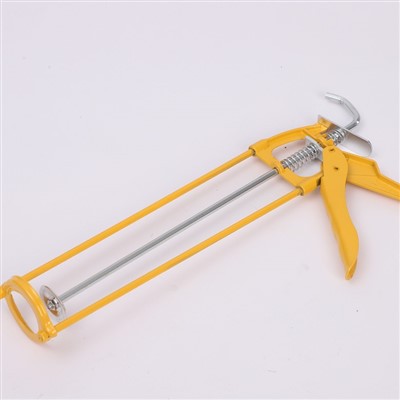
In conclusion, manual structural adhesive guns have both advantages and limitations when it comes to industrial applications. Their precision, cost – effectiveness, portability, and versatility make them a valuable tool in many industrial settings, especially for small – scale operations, on – site repairs, and prototyping. However, their limited output, potential for operator fatigue, and inconsistent dispensing can be drawbacks in high – volume and high – precision applications.
Polyurethane Foaming Glue If you are an industrial professional looking for a reliable and cost – effective adhesive application solution, I encourage you to consider our manual structural adhesive guns. Our products are designed to offer the best balance of performance, durability, and ease of use. Whether you are working on a small – scale project or need a tool for on – site repairs, our manual guns can meet your needs. If you are interested in learning more about our products or discussing your specific requirements, please feel free to reach out to us for a procurement discussion.
References
- "Industrial Adhesive Application Techniques," Industrial Manufacturing Handbook, 2020.
- "Manual Tools in Modern Industry," Journal of Industrial Engineering, 2019.
- "Best Practices for Adhesive Bonding in Industrial Settings," Adhesive Technology Magazine, 2021.
Shandong Liangxin Adhesives Co., Ltd.
We are one of the most professional manual structural adhesive gun manufacturers in China, featured by quality products and good service. Please rest assured to wholesale high-grade manual structural adhesive gun in stock here and get pricelist from our factory. We also accept customized orders.
Address: Industrial Park, Jiudu Sub-district, Hedong District, Linyi City, Shandong Province, China
E-mail: 15253909280@139.com
WebSite: https://www.liangxinglue.com/
