As a supplier of seated moxibustion devices, I often receive inquiries from customers with various health conditions, including those with allergies. The question of whether a seated moxibustion device is suitable for people with allergies is a crucial one that requires a comprehensive and evidence – based answer. Seated Moxibustion Device
Understanding Seated Moxibustion Devices
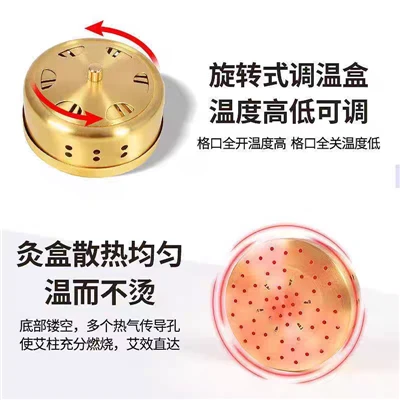
Seated moxibustion devices are designed to provide the benefits of moxibustion therapy in a convenient and comfortable way. Moxibustion is an ancient Chinese therapy that involves burning dried mugwort (Artemisia vulgaris) near specific acupuncture points on the body. The seated moxibustion device allows users to sit on it, targeting areas such as the lower abdomen and perineum, which are believed to be related to various health functions in traditional Chinese medicine.
The heat and the properties of the burning mugwort are thought to stimulate blood circulation, warm the meridians, and promote the flow of qi (vital energy) in the body. This can have a range of potential health benefits, including improving digestion, relieving menstrual pain, and enhancing overall well – being.
Allergies and Their Types
Allergies are the body’s immune system overreacting to substances that are usually harmless, known as allergens. Common allergens include pollen, dust mites, pet dander, certain foods, and medications. Allergic reactions can range from mild symptoms such as itching, sneezing, and a runny nose to more severe reactions like anaphylaxis, which can be life – threatening.
When considering the suitability of a seated moxibustion device for people with allergies, we need to look at two main aspects: allergies to mugwort itself and allergies to other substances associated with the device.
Allergies to Mugwort
Mugwort is the key ingredient in moxibustion. Some people may be allergic to mugwort. Mugwort allergy is relatively common, especially in regions where mugwort is prevalent. Symptoms of mugwort allergy can include skin rashes, itching, swelling, and respiratory symptoms such as wheezing and shortness of breath.
If a person has a known allergy to mugwort, using a seated moxibustion device is clearly not suitable. The burning of mugwort in the device releases particles and volatile compounds into the air, which can trigger an allergic reaction. In such cases, the risks far outweigh any potential benefits.
However, for those who are not allergic to mugwort, the device may be a viable option. It is important to note that even if a person has no history of mugwort allergy, they should still be cautious when using the device for the first time. Starting with a short – term and low – intensity use can help to observe if any allergic – like symptoms occur.
Allergies to Other Substances Associated with the Device
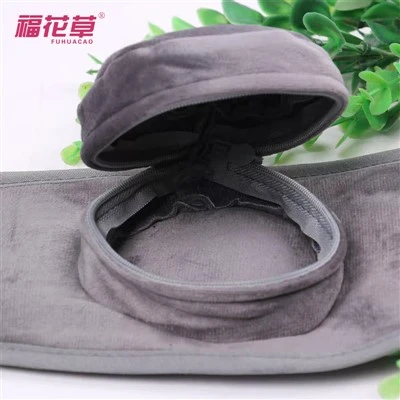
Apart from mugwort, the seated moxibustion device itself may be made of various materials such as wood, metal, or fabric. People with allergies to these materials may also experience allergic reactions.
For example, some individuals may be allergic to certain types of wood used in the construction of the device. Wood dust can cause respiratory allergies, and contact with the wood surface may lead to skin allergies. Similarly, metal components in the device can cause contact dermatitis in people with metal allergies.
Before purchasing and using a seated moxibustion device, customers with known allergies to these materials should carefully examine the product specifications to ensure that the device does not contain any allergenic substances. Some manufacturers may offer hypoallergenic versions of the device, which are made from materials less likely to cause allergic reactions.
Scientific Evidence on Moxibustion and Allergies
While there is limited large – scale scientific research specifically on the use of seated moxibustion devices in people with allergies, there is some general knowledge about moxibustion and its potential effects.
Traditional Chinese medicine has long used moxibustion for various health conditions. However, modern scientific studies are still in the process of validating these traditional claims. Some studies have shown that moxibustion can have immunomodulatory effects, which may be beneficial for some allergic conditions. For example, moxibustion may help to regulate the immune system and reduce the over – reactivity that causes allergic reactions.
On the other hand, the burning of mugwort can also release pollutants such as particulate matter and volatile organic compounds (VOCs). These pollutants can potentially irritate the respiratory system, especially in people with pre – existing respiratory allergies.
Precautions for People with Allergies
If a person with allergies decides to try a seated moxibustion device, the following precautions should be taken:
- Consult a healthcare professional: Before using the device, it is advisable to consult an allergist or a traditional Chinese medicine practitioner. They can provide personalized advice based on the individual’s specific allergy profile and overall health condition.
- Test for allergies: If there is any doubt about an allergy to mugwort or other substances in the device, a patch test can be performed. This involves applying a small amount of the relevant substance (such as a piece of the device material or a small amount of mugwort extract) to a small area of the skin and observing for any allergic reaction.
- Use in a well – ventilated area: To reduce the exposure to pollutants released during moxibustion, the device should be used in a well – ventilated room. This can help to minimize the risk of respiratory irritation.
- Start with a short – term and low – intensity use: Begin with a short session and gradually increase the duration and intensity as the body adjusts. This allows the user to monitor for any adverse reactions.
Conclusion
In conclusion, whether a seated moxibustion device is suitable for people with allergies depends on the type of allergy. For those with a mugwort allergy, the device is generally not recommended due to the high risk of allergic reactions. For people with allergies to other substances associated with the device, careful consideration of the device materials and appropriate precautions are necessary.
While there is some potential for moxibustion to have beneficial effects on the immune system, more research is needed to fully understand its impact on allergic conditions. As a supplier of seated moxibustion devices, I am committed to providing accurate information to our customers and ensuring that they make informed decisions about using our products.
Moxibustion Treasure If you are interested in learning more about our seated moxibustion devices or have any questions regarding their suitability for your specific health condition, please feel free to contact us for a detailed discussion. We are here to assist you in making the right choice for your health and well – being.
References
- Chen, X., & Zhang, Y. (2018). The immunomodulatory effects of moxibustion: A review. Evidence – Based Complementary and Alternative Medicine, 2018, 1 – 10.
- Li, H., & Wang, J. (2019). Research progress on the mechanism of moxibustion in treating allergic diseases. Chinese Journal of Traditional Medical Science and Technology, 26(3), 461 – 464.
- World Health Organization. (2006). Guidelines on basic training and safety in acupuncture. World Health Organization.
Jiaxing Yuanfan Imp. & Exp. Co., Ltd.
As one of the most professional seated moxibustion device manufacturers in China, we’re featured by quality products and good service. Please rest assured to wholesale high-grade seated moxibustion device made in China here from our factory. Contact us for quotation.
Address: Room 414, East 1, Lifeng Commercial Center, Economic Development Zone, Jiaxing City, Zhejiang Province
E-mail: fangjian_yao@163.com
WebSite: https://www.yuanfanmugwort.com/
